
KUALA LUMPUR, April 7 — Rising geopolitical tensions, including the US-Iran conflict, are keeping global energy markets on edge, with potential knock-on effects for electricity and fuel costs in Malaysia.
For households, the immediate concern is practical; how to keep energy bills in check without sacrificing comfort.
Small, consistent changes in daily habits can significantly reduce electricity use, especially as external factors push up generation costs.
How Malaysia generates electricity, and why it matters
Malaysia’s electricity supply relies on a mix of natural gas, coal, hydropower and solar energy.
Fossil fuels – particularly gas and coal – still dominate, providing stable base-load power, while hydropower and solar contribute a growing share of renewables.
Because much of this generation depends on fuel, global oil and gas prices can feed through to production costs and, eventually, household bills.
National utility giant Tenaga Nasional Berhad (TNB) says managing demand through energy efficiency helps ease pressure on the system, particularly during peak hours.
Cooling drives the biggest share of bills
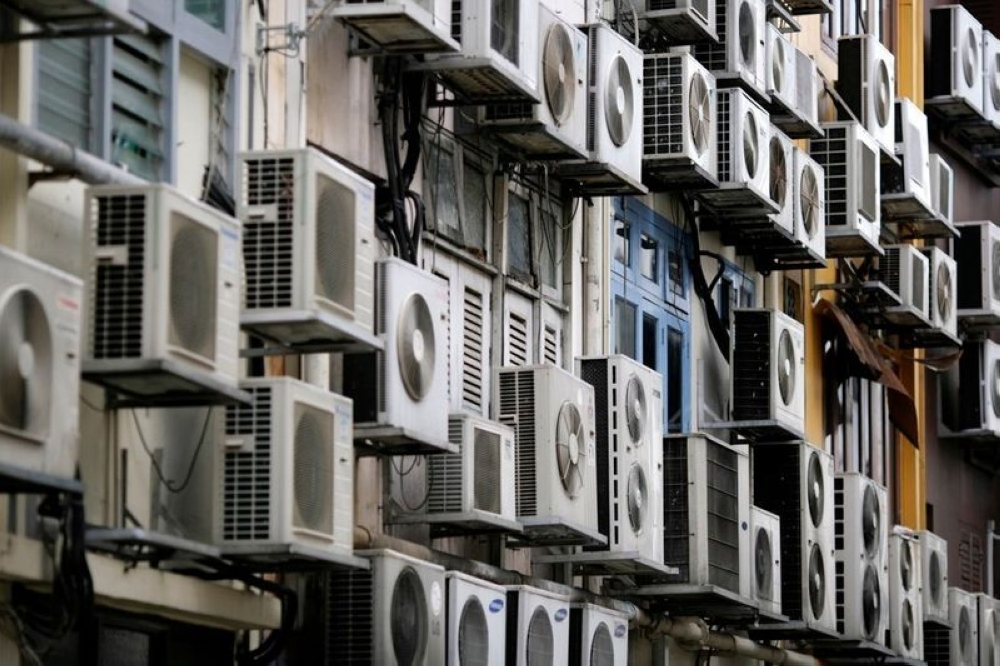
Malaysia’s tropical climate means cooling is often essential rather than optional, making air-conditioning one of the largest contributors to household electricity use.
TNB recommends setting air-conditioners between 24°C and 26°C and maintaining them regularly, including cleaning filters.
Inverter air-conditioners can use 30 to 50 per cent less electricity than older models by adjusting compressor speed instead of cycling on and off.
In practical terms, this can translate into noticeable savings:
• A household that typically spends RM250 to RM400 a month on electricity could potentially save RM30 to RM100 monthly by switching to an inverter system and using it efficiently.
• Raising the temperature by just 1°C to 2°C can also reduce energy use by around 5 per cent to 10 per cent, depending on usage patterns.
Households can further reduce usage by combining air-conditioning with fans, cooling only occupied rooms and keeping doors and windows closed.
Keeping heat out reduces the need to cool
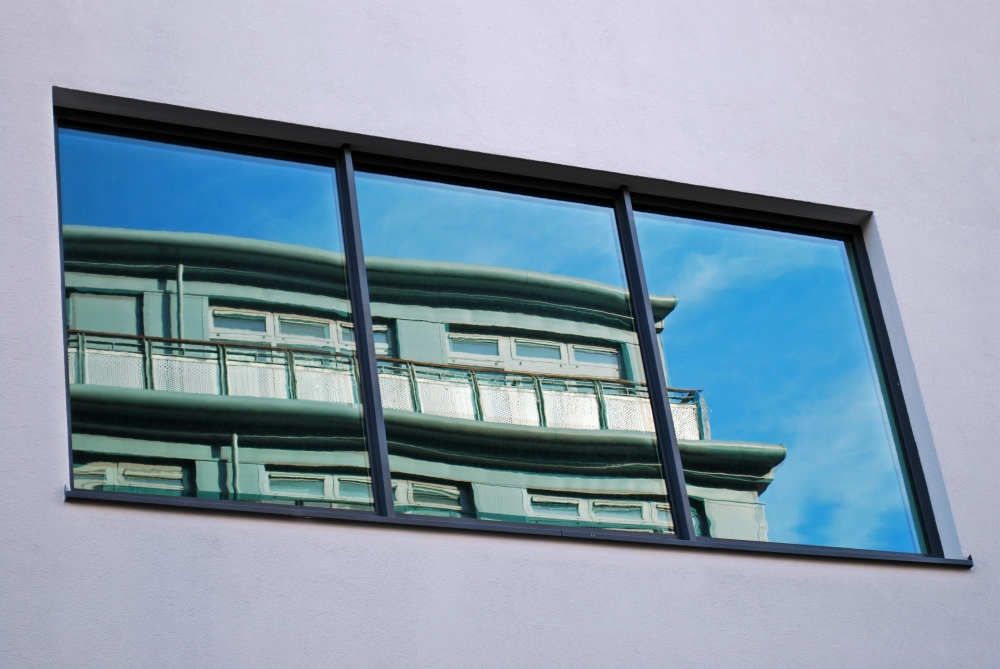
A significant amount of indoor heat enters through windows and roofs, especially in homes exposed to direct sunlight.
Window tints or solar films can reduce heat entering through glass, while reflective roof paint can lower indoor temperatures by around 2°C to 5°C.
These improvements require upfront costs, for example:
• Window tinting can save roughly RM10 to RM25 per sq ft
• Reflective roof paint can cost around RM200 to RM500 per room or roof section
But these measures can reduce reliance on air-conditioning and lead to long-term monthly savings of RM20 to RM80, depending on home size and usage
Blackout curtains and insulation also help reduce heat buildup during the day.
Appliances and standby power (the hidden drain)
Many households unknowingly consume electricity through devices that remain plugged in but are not actively used.
TNB has highlighted that switching off appliances at the source can help reduce unnecessary energy use. Devices such as televisions, chargers and gaming consoles can still draw standby power even when not in use.
Savings examples include:
• A single standby device can add RM5 to RM10 per month if left plugged in
• A household with multiple standby devices may waste RM50 to RM100 annually without realising it
Switching to LED lighting, which uses significantly less electricity, and replacing older appliances with energy-efficient models can further reduce consumption.
They use up to 80 per cent less electricity than traditional incandescent bulbs and replacing just five bulbs could save around RM10 to RM20 per month, depending on usage.
Over time, older fridges and air-conditioning units tend to consume more electricity, making maintenance and upgrades important for long-term savings.
Energy-efficient appliances can reduce long-term bills, with newer models lowering consumption by 10 per cent to 30 per cent compared to older ones.
Water heating and kitchen use
Energy use in the home also comes from water heating and cooking.
Lowering water heater temperatures, switching them off when not in use and cooking in batches can help reduce electricity consumption.
More efficient cooking methods such as induction or pressure cooking are also gaining popularity, while solar water heaters offer a longer-term way to cut electricity usage.
Electric water heaters are often overlooked. Running a heater for long periods can add RM20 to RM60 monthly and turning it off when not needed can reduce this significantly.
Daily habits that affect energy use
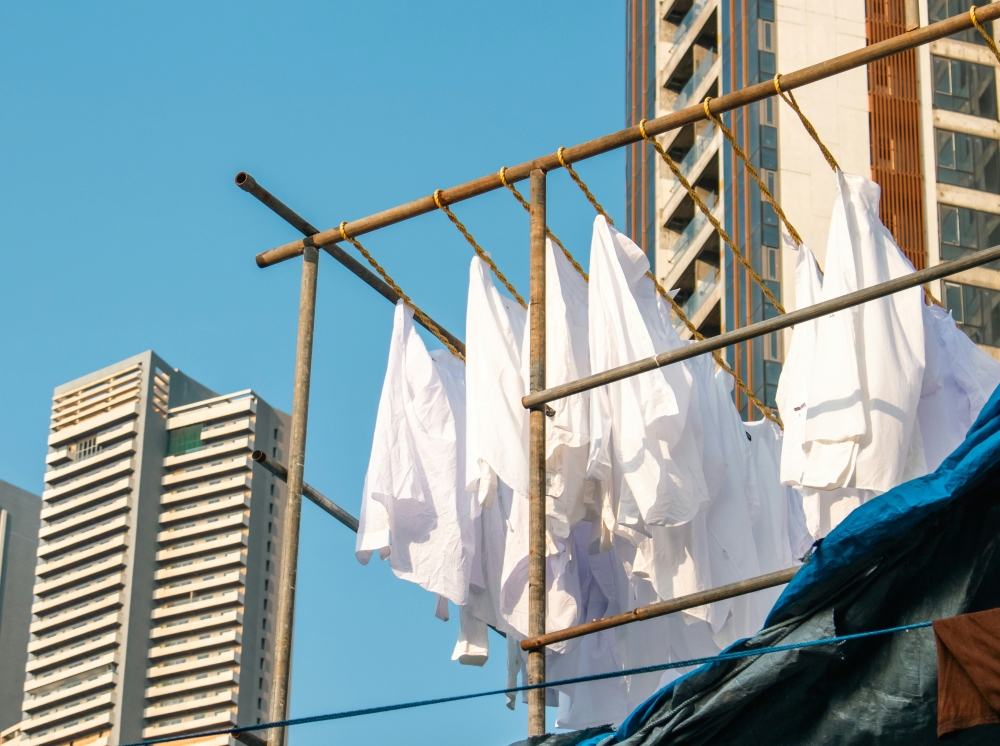
Everyday routines play a major role in how much electricity is used. For example, washing full loads instead of small batches can save up to RM10 to RM30 monthly.
Air-drying clothes instead of using dryers could save up to RM50 monthly, while maintaining refrigerators properly can prevent excess energy use, potentially saving 5 per cent to 10 per cent on that appliance’s consumption.
These small adjustments across the household can add up to RM50 to RM150 in monthly savings, depending on lifestyle and home size.
Smart tools to track consumption
Technology is making it easier for households to monitor and manage their energy use.
Through the myTNB platform, TNB allows users to track electricity consumption patterns and identify periods of high usage.
Smart plugs, timers and energy-monitoring devices also help households control appliances more efficiently and identify unnecessary energy usage.
Beyond electricity, fuel and transport habits

Energy use also extends to daily travel.
For motorists, fuel-efficient driving habits can reduce petrol consumption by around 10 per cent to 20 per cent, depending on conditions.
Simple practices include maintaining steady speeds, avoiding sudden acceleration or braking and keeping tyres properly inflated.
For households spending RM300 to RM600 monthly on fuel, even a 10 per cent reduction can save RM30 to RM60 per month.
Climate and lifestyle: Why making changes matters now
Malaysia’s hot, humid climate and urban lifestyles – as many people spend long hours indoors – naturally drive higher electricity use.
As a result, energy-saving is less about cutting back and more about using energy more efficiently.
Global disruptions may not be felt immediately, but they often surface over time through higher electricity and fuel costs, adding pressure to household budgets.
TNB says improving energy efficiency not only helps consumers manage bills but also reduces strain on the national grid by lowering overall demand.
While global energy prices remain beyond individual control, how energy is used at home is not.
Over time, small, consistent changes can ease cost pressures while supporting a more stable energy system.
Date: 7 April, 2026 8:00 am
Source: Malay Mail
💬 Join the Conversation! 💬
We’ve disabled comments on our posts and pages to keep the discussions organized and lively! But don’t worry – the conversation isn’t over. Head over to our forum and share your thoughts, ideas, and feedback with the community! It’s the perfect place to connect, learn, and engage with others who care about the same things. We can’t wait to hear from you!