
PHNNOM PENH, April 3 — Fraudsters running cyberscam operations in Cambodia could face life in prison after the Senate approved a new law today targeting criminals involved in the multibillion-dollar illicit industry.
The Southeast Asian nation has emerged as a hotspot for crime syndicates running fake romantic relationship and cryptocurrency investment schemes in which scammers—some willing, others trafficked—defraud internet users around the world.
Operated out of fortified compounds across the region, the global cyberscam industry has reached “industrial proportions”, with estimates of its annual revenues as high as US$64 billion, according to the UN Office on Drugs and Crime.
Under the law approved today, ringleaders of cyberscam centres that engage in human trafficking, detention and torture will face up to 20-year prison sentences and a fine of up to two billion riel (US$500,000).
If their operations lead to the death of one or more people, scam centre bosses could face life in prison.
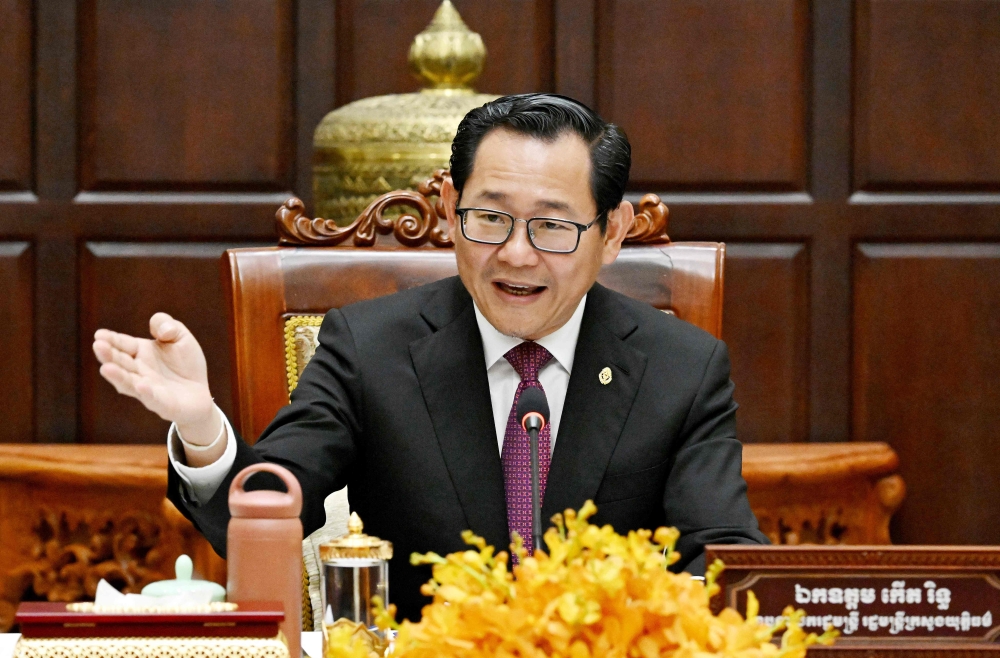
“Our goal is to eliminate scams,” Cambodian justice minister Koeut Rith said during a press conference.
A draft of the law—the first of its kind that aims to stamp out transnational cyberscam operations in Cambodia—was initially approved by the government in March.
A joint statement by UN experts in May said that “hundreds of thousands of people of various nationalities are trapped and forced to carry out online fraud”.
Several countries have enacted anti-cyberscam laws to combat the rise of online fraud, romance and cryptocurrency scams, with con artists in Singapore facing 24 strokes of caning for serious cases.
Cambodian Prime Minister Hun Manet told AFP in February that scam centres were destroying his country’s economy and giving the nation a bad name, vowing to “clean this out”.
Authorities have pledged to close all online scam centres by the end of April, but analysts have said the government’s crackdown on the industry is unlikely to stamp it out.
The US State Department last year said that “official complicity, including at senior levels, inhibited effective law enforcement action against trafficking crimes” in Cambodia.
Cambodia has denied suggestions that its government is complicit. — AFP
Date: 3 April, 2026 2:00 pm
Source: Malay Mail
💬 Join the Conversation! 💬
We’ve disabled comments on our posts and pages to keep the discussions organized and lively! But don’t worry – the conversation isn’t over. Head over to our forum and share your thoughts, ideas, and feedback with the community! It’s the perfect place to connect, learn, and engage with others who care about the same things. We can’t wait to hear from you!