
LONDON, April 1 — Factories across the world faced soaring input costs and supply chain disruptions in March due to the Iran war as underlying tepid demand threatened to undermine the manufacturing sector’s fragile recovery, surveys showed.
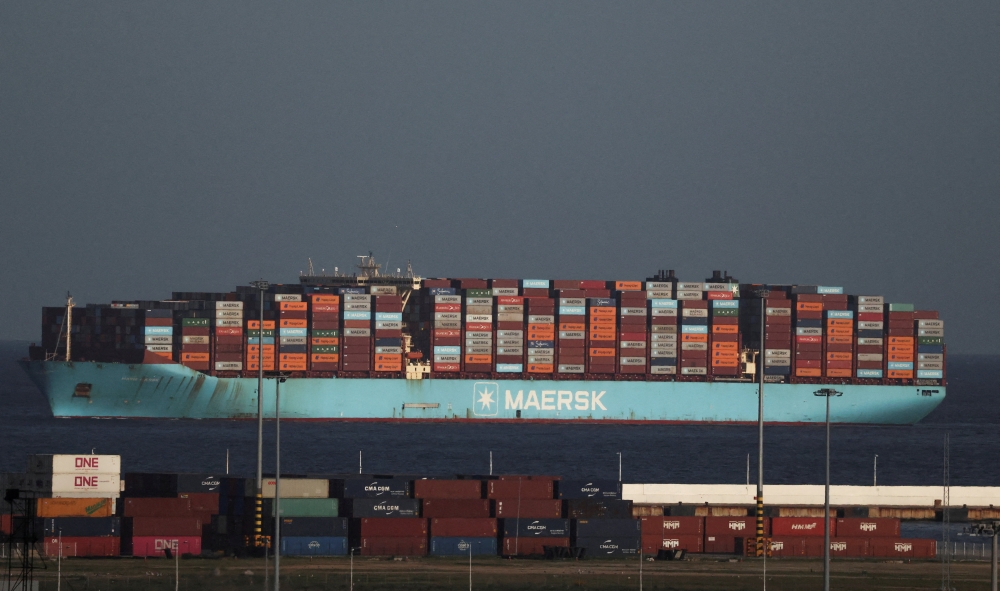
The conflict has disrupted global logistics networks, causing delivery delays, pushing up input price inflation and distorting headline growth measures.
Higher oil and energy prices led manufacturers to react and raise selling prices.
Headline PMI numbers — usually a sign of increased activity — were falsely elevated by the supply shock lengthening delivery times, said Chris Williamson, chief business economist at S&P Global.
That was the case for the headline euro zone reading. In Asia, many economies saw it fall, a sign surging fuel costs and heightening uncertainty from the Iran war were taking a toll.
Wednesday’s S&P Global euro zone Manufacturing Purchasing Managers’ Index (PMI) rose to 51.6 in March from February’s 50.8, higher than a preliminary estimate of 51.4.
A reading above 50.0 would normally indicate growth in activity.
“While the uptick in the headline index has been, at face value, somewhat surprising given the renewed energy shock in global markets — particularly as the flash release pointed to weaker services — the aggregate masks meaningful cross-country divergence,” said Mariana Monteiro at JP Morgan.
Germany and Italy recorded their strongest readings in 46 and 37 months respectively, while Spain was the only country in contraction territory. Greece posted the highest reading, followed by Ireland, while France’s manufacturing sector stagnated.
In Britain, outside the European Union, cost pressures soared and delivery delays — due to ships avoiding the Strait of Hormuz — were the longest since mid-2022.
Asian strain
The findings highlight the challenge policymakers face in Asia, a region that buys about 80 per cent of the oil that is shipped through the Strait of Hormuz, making many countries vulnerable to the hit from the energy shock caused by the war — already, drivers in Manila are facing diesel prices that have tripled, while a jet-fuel squeeze looms in Vietnam and South Korea’s major cosmetics firms are searching far and wide for plastic resin.
China’s manufacturing sector expanded in March for a fourth straight month — albeit more slowly and as inflationary pressures and supply chain strains intensified, a private survey showed.
The RatingDog China General Manufacturing PMI fell to 50.8 in March from 52.1, missing analysts’ forecast of 51.6.
Manufacturing activity slowed in economies ranging from Indonesia, Vietnam, Taiwan and the Philippines, other PMIs showed, highlighting the pain the Middle East conflict was already inflicting on businesses.
Japanese factories also took a hit from the souring business mood and cost pressures, which hit a 19-month high.
The final S&P Global Japan Manufacturing PMI fell to 51.6 in March from 53.0. Input prices rose at the fastest rate since August 2024.
South Korea was an outlier with factory activity expanding at the strongest pace in more than four years, led by semiconductor demand and new product launches. — Reuters
Date: 1 April, 2026 9:00 pm
Source: Malay Mail
💬 Join the Conversation! 💬
We’ve disabled comments on our posts and pages to keep the discussions organized and lively! But don’t worry – the conversation isn’t over. Head over to our forum and share your thoughts, ideas, and feedback with the community! It’s the perfect place to connect, learn, and engage with others who care about the same things. We can’t wait to hear from you!