
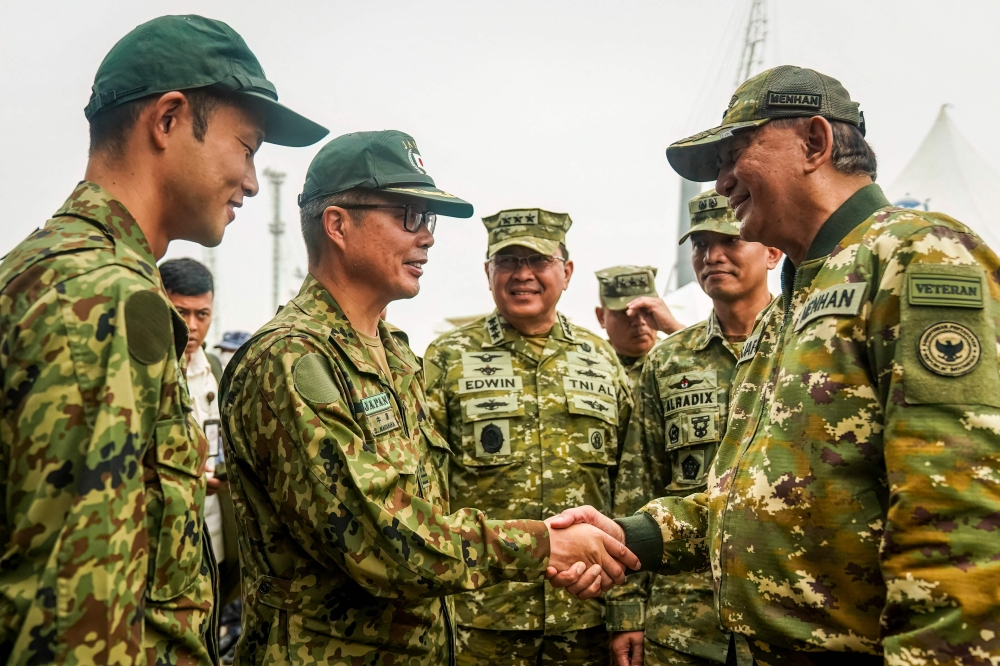
PANGANDARAN, Sept 17 — As haze from Indonesia’s forest fires drifts into parts of Malaysia and Singapore, the Indonesian military says it is throwing everything it has at the problem — soldiers on the ground, wells in the earth, and helicopters in the sky.
Army chief-of-staff General Maruli Simanjuntak told Singapore-based news outlet CNA that President Prabowo Subianto has taken direct charge of coordinating the response, pushing the military to move faster and work more effectively as fires continue to rage across Kalimantan and Sumatra.
“The president has repeatedly led efforts on this directly, asking how we can all move more effectively to address the haze and ensure irrigation and water supplies are available,” Maruli said in the interview published today.
Wells are now central to the strategy. The army has drilled more than 400 water points specifically to fight forest and land fires, part of a broader clean-water infrastructure push that has expanded rapidly since Prabowo threw his weight behind it.
Before that support arrived, progress was slow.
Maruli recalled struggling to secure funding for water projects during an earlier posting commanding forces across Bali and the Nusa Tenggara islands, managing barely 50 water points a year by seeking out donors himself.
“More recently, we received the president’s full support… and he will continue supporting us,” he said.
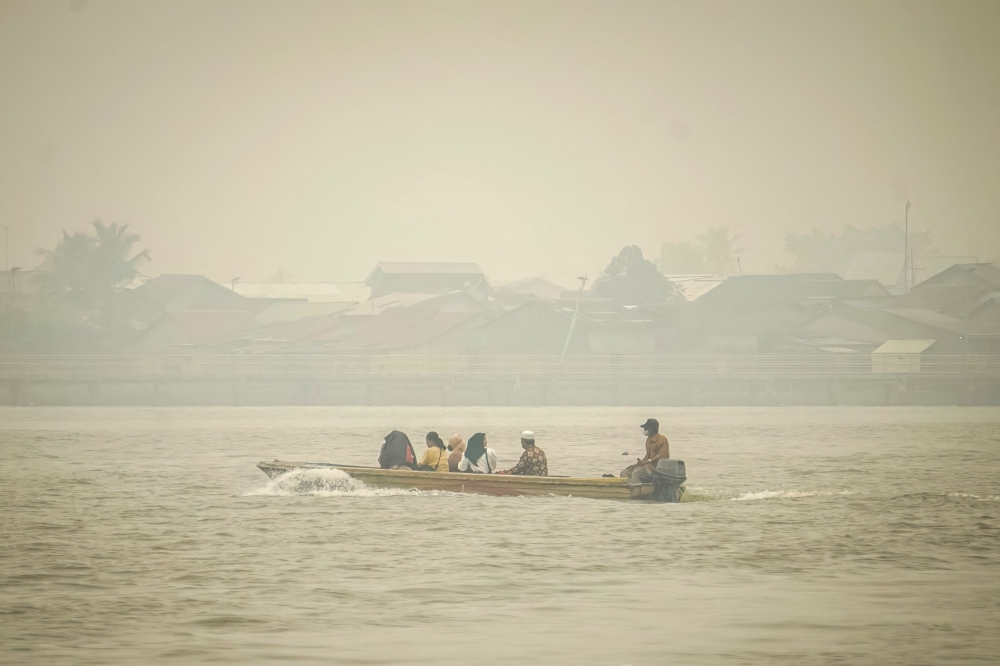
On the fires themselves, Maruli said Prabowo had ordered the military to deploy its helicopters more aggressively, including for weather modification — cloud-seeding operations aimed at inducing rainfall over fire-hit areas.
“So we are truly deploying all available resources to deal with this situation,” he said.
Thousands of soldiers have also been sent into fire-affected regions, going village to village to discourage the slash-and-burn land-clearing practices that fuel much of the annual haze crisis — an approach Maruli admitted has had limited success in the past.
“This has actually been done for a long time, but it was not very effective. Hopefully, deploying thousands of soldiers to reach villages and provide guidance will yield better results. The president has also said that enforcement against people who start fires will be firm,” he said.
The military’s growing footprint on the ground has drawn scrutiny from some non-governmental groups, who question whether it signals mission creep into civilian territory. Maruli brushed the concern aside, framing the deployment as an extension of the army’s core purpose rather than a distraction from it.
“There’s no need to worry too much about where the military is heading. We simply want to help people who are struggling,” he said.
He pointed to Indonesia’s continued strong standing among foreign militaries as proof the civilian work hasn’t blunted the army’s professionalism.
“Yet 21 countries want to conduct joint exercises with us… they even tell me they want to take part in our civic mission programmes.”
The fire response is part of a wider disaster mitigation push, according to Maruli.
Prabowo ordered the development of a comprehensive disaster mitigation masterplan on September 7, as Indonesia contends simultaneously with the aftermath of a deadly earthquake, heightened volcanic activity and the forest fires.
The Indonesian National Disaster Mitigation Agency said last Tuesday that it is widening firefighting operations beyond the six original priority provinces – Riau, Jambi, South Sumatra, West Kalimantan, South Kalimantan and Central Kalimantan – to also cover high-risk sites such as Bromo Tengger Semeru National Park and Mount Butak in East Java, where water-bombing helicopters are now active, Indonesian state news agency Antara reported.
Joint firefighting teams are additionally running operations in North Maluku, Central Java, North Kalimantan, Central Sulawesi, Lampung and Southeast Sulawesi, as authorities race to bring the fires – and the haze choking the region – under control.
Date: 17 September, 2026 6:00 pm
Source: Malay Mail
💬 Join the Conversation! 💬
We’ve disabled comments on our posts and pages to keep the discussions organized and lively! But don’t worry – the conversation isn’t over. Head over to our forum and share your thoughts, ideas, and feedback with the community! It’s the perfect place to connect, learn, and engage with others who care about the same things. We can’t wait to hear from you!