
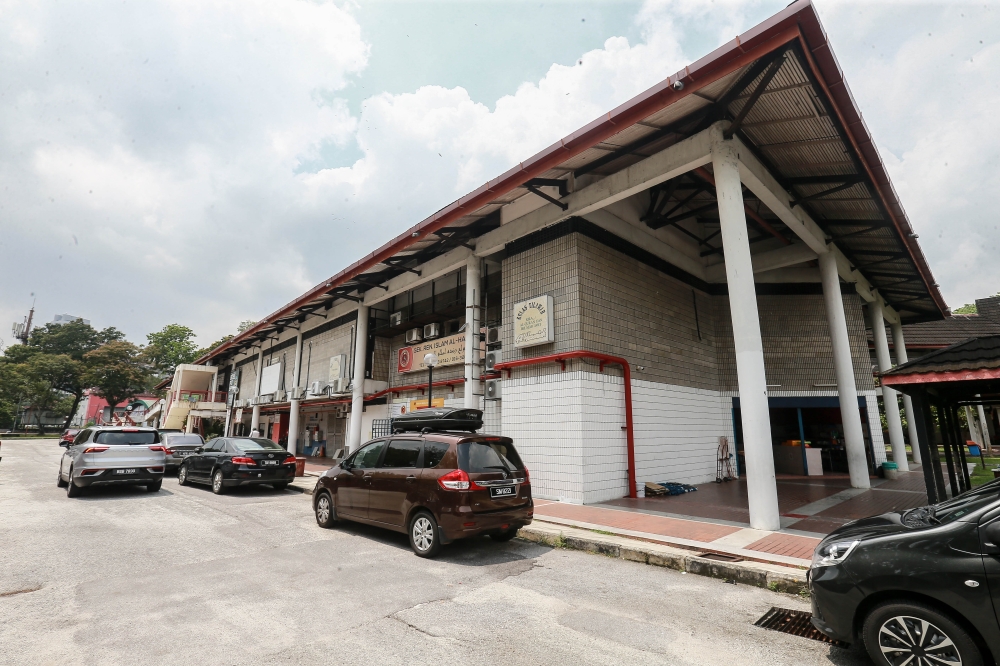
SHAH ALAM, May 19 — With a packet of ice melting in his hand outside the iconic neighbourhood 7-Eleven, Shukri Azman pointed across Seksyen 6 and smiled.
The same trees still shaded the ageing shoplots and district centre where generations of Shah Alam residents once bought newspapers, prepaid phone credit and Slurpees after school.
Around it, however, much of Shah Alam has steadily transformed with new commercial centres, apartment towers and increasingly crowded cafe districts in areas like Seksyen 7, 9 and 13.
“Seksyen 6 has hardly changed at all from the time I was born until now,” said the 29-year-old freelancer, recalling childhood trips for nasi ayam lunches and Big Gulps after Hari Raya prayers with his father.
“My younger siblings were born at Klinik Bersalin An-Nur, which only closed recently. There’s still a night market every Tuesday and Friday.
“I hope the whole section stays like this and doesn’t become filled with condominiums. The vibe should remain,” he told Malay Mail.
Elsewhere in Shah Alam, redevelopment is accelerating.
The city’s next major transformation is expected to centre around Seksyen 13 and 14, where large-scale redevelopment plans tied to the SA Sentral project aim to reshape the area surrounding Stadium Shah Alam and the LRT3 corridor with new commercial and residential projects.
Reviving what the city overlooked
Even close to lunchtime, much of the district centre remained subdued during Malay Mail’s visit. Several office units sat shuttered. Corridors stayed quiet except for the occasional customer or delivery rider passing through.
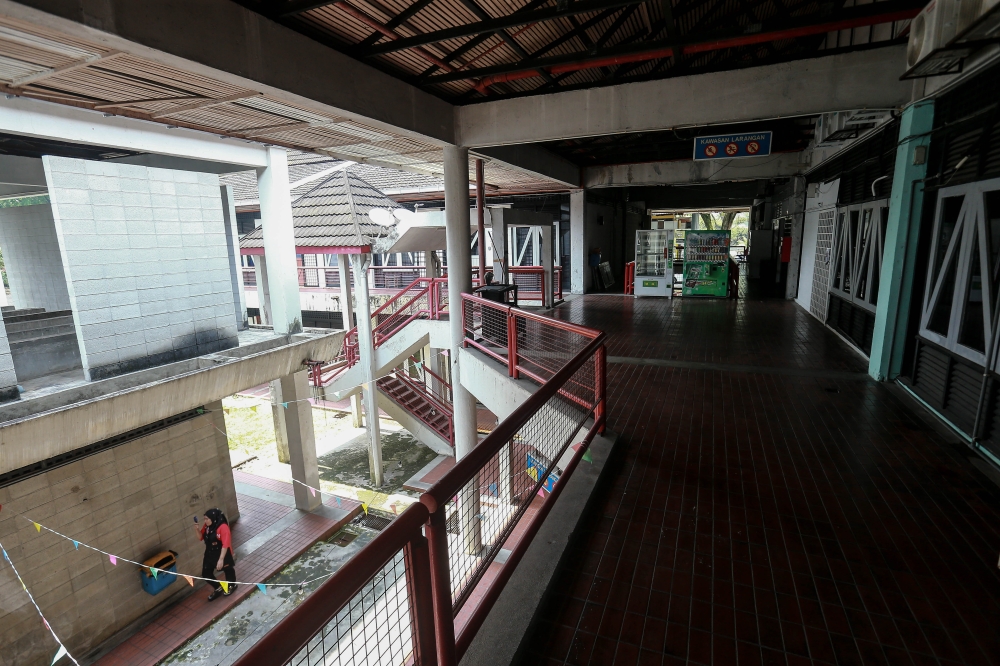
For years, some Shah Alam residents regarded the Pusat Daerah Seksyen 6 as outdated.
That neglect is precisely what drew a younger generation of cafe owners and creatives in.
At a pizzeria called Miscusi, graffiti artwork from a previous live painting session still covered sections of the cafe walls hours before opening.
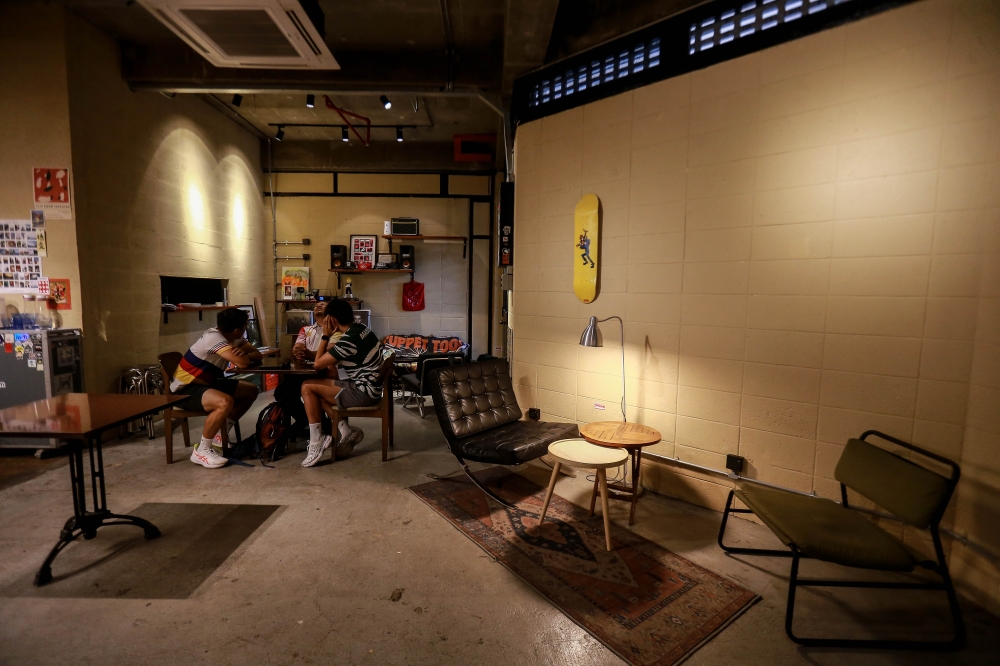
Upstairs at a cafe called Irene, which takes its name from an 1880 painting by a French artist, warm lights are reflected against old wooden interiors and original window frames preserved from the building’s earlier years.
Athletes and coaches from the nearby Selangor State Sports Excellence Centre, located roughly 100 metres away, stopped by for a coffee session.
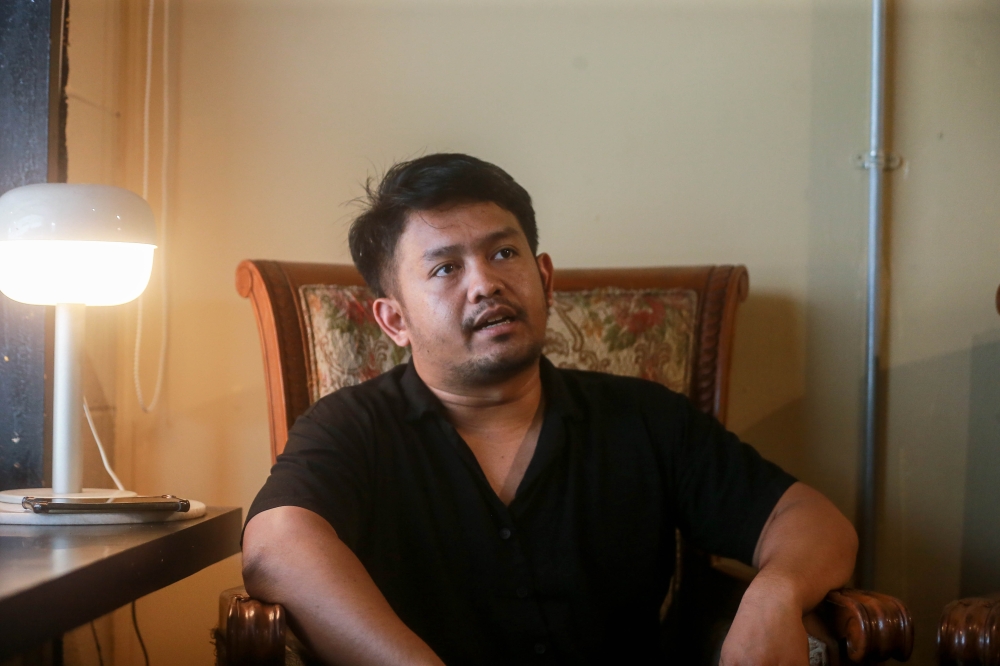
For Amir Habibur Rahman, 31, spokesperson for Miscusi, the appeal of Seksyen 6 lies in the very things many people overlook.
“Even though places like Seksyen 7 and Seksyen 9 have much bigger food crowds compared to here, we wanted to revive this area because these old buildings actually have potential.
“If you really focus on them, you can beautify the space and use many of the building’s original elements to make it look more aesthetic,” he told Malay Mail.
He pointed to how older buildings overseas are often preserved and repurposed into cultural spaces because of their atmosphere and history.
That revival has been gradual.
Amir said cafes such as Irene, Jilid Enam and Manis, along with several smaller creative businesses, had helped slowly bring new life into the area over the years.
“The place is actually maintained collectively by us, so we don’t really see each other as competitors,” he said.
“We see it as success whenever more people start viewing Seksyen 6 as somewhere worth coming to for food, business, art and culture.”
Part of the attraction is also economic reality.
According to Amir, many units remain under PKNS ownership, with rents ranging from below RM500 to around RM1,000 monthly — far cheaper than commercial areas elsewhere in Shah Alam.
New tenants often wait for older occupants to leave before undergoing interviews conducted by PKNS to secure units.
Escaping the pace of the Klang Valley
For Irene owner Muhammad Hafiz Shaari, 33, the appeal of Seksyen 6 has less to do with nostalgia than exhaustion.
Across the Klang Valley, he said, everything increasingly feels designed for speed, denser developments, heavier traffic and busier commercial districts.
Seksyen 6 moves differently.
“Living in the Klang Valley means living at a fast pace. Yet Seksyen 6 still feels like an old town.
“You can compare it to places like Ipoh or Taiping, there are similarities. Seksyen 6 has characteristics that make it unique amid the busyness of Selangor.
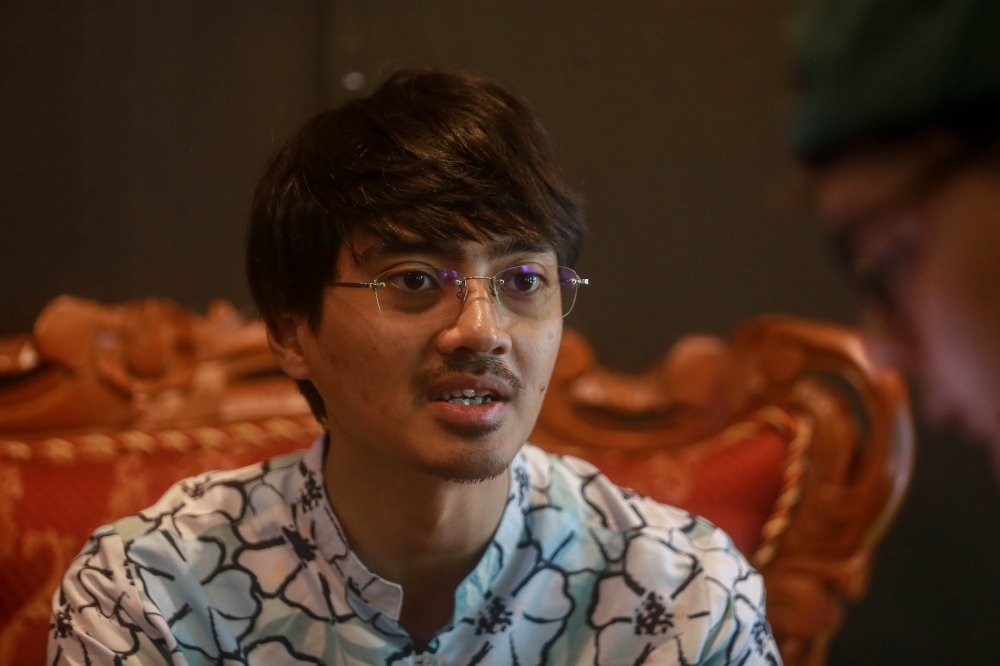
Hafiz said Shah Alam itself once carried that slower atmosphere.
“Shah Alam used to be plantation land. Then UiTM developed and the city’s history began from there. It used to be quiet, single-lane roads on the federal highway…
“Now everything is busy everywhere you go in Shah Alam,” he said.
That is partly why he believes places like Seksyen 6 have become more valuable.
In a city increasingly shaped by redevelopment, he said many people are now looking for that space as a form of escapism.
“Compared to the rest of Malaysia, maybe towns like this are common. But within Shah Alam, a place with these values becomes something precious.”
The cafe itself required little to no renovation, he added, because much of the building’s identity already existed.
“We barely modified the place because it was already beautiful as it was.”
He hopes the area can eventually evolve beyond cafes into a wider creative community for music, painting and independent arts.
The old Shah Alam still lingering
That older Shah Alam still lingers across Seksyen 6 in fragments.
The now-closed Klinik Bersalin An-Nur, opened in 1995, is still remembered by residents born there. Older residents still recall browsing rental advertisements pinned outside the same 7-Eleven decades ago.
The area was once known among local youths for skateboarding, rollerblading and a snooker centre.
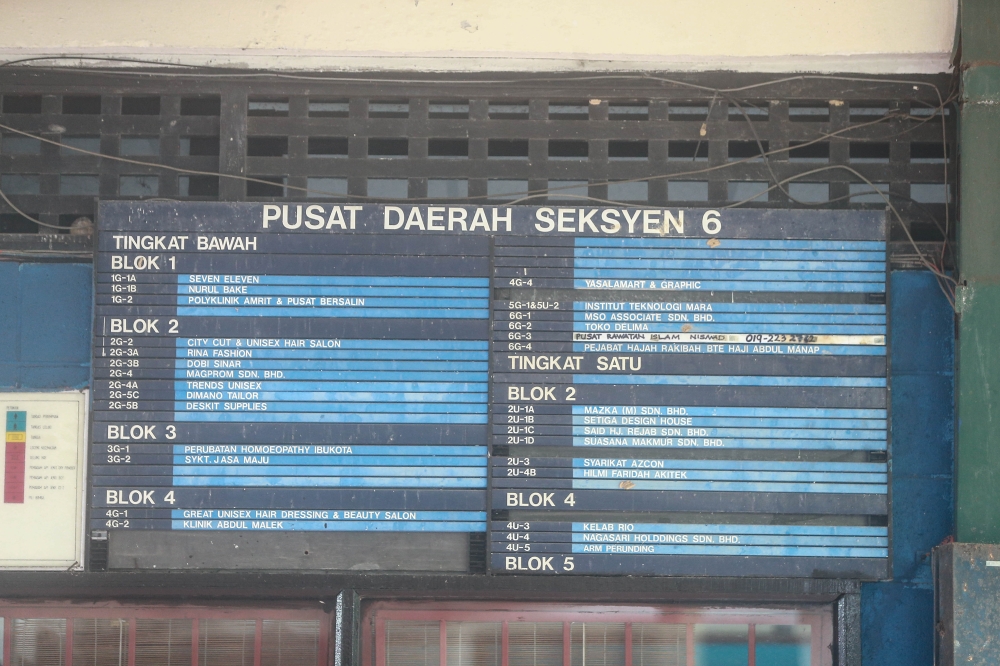
Stray cats still wander between the old shoplots near the pasar. A veterinary clinic continues operating nearby. One unit now houses Fonetikar, a studio centred around arts and music.
Many other offices, however, remain dark behind locked doors.
Shukri, who grew up nearby in Seksyen 8, said that contrast is part of what keeps drawing him back.
“Other places feel too congested now,” he said.
“If you go to Seksyen 7, there are motorcycles everywhere and university students parking all over the place.
“Seksyen 13 has more choices for food and shopping, same with Seksyen 7 and 9, but going there means dealing with traffic all the time.”
During the rainy season, he added, the busier parts of Shah Alam flood easily.
“Even after heavy rain for a short while, the water starts rising. I get anxious thinking about getting stuck or my car being submerged.”
In a city still racing towards newer developments, Seksyen 6 remains one of the few places in Shah Alam where time appears to move more slowly.
Date: 19 May, 2026 8:00 am
Source: Malay Mail
💬 Join the Conversation! 💬
We’ve disabled comments on our posts and pages to keep the discussions organized and lively! But don’t worry – the conversation isn’t over. Head over to our forum and share your thoughts, ideas, and feedback with the community! It’s the perfect place to connect, learn, and engage with others who care about the same things. We can’t wait to hear from you!