
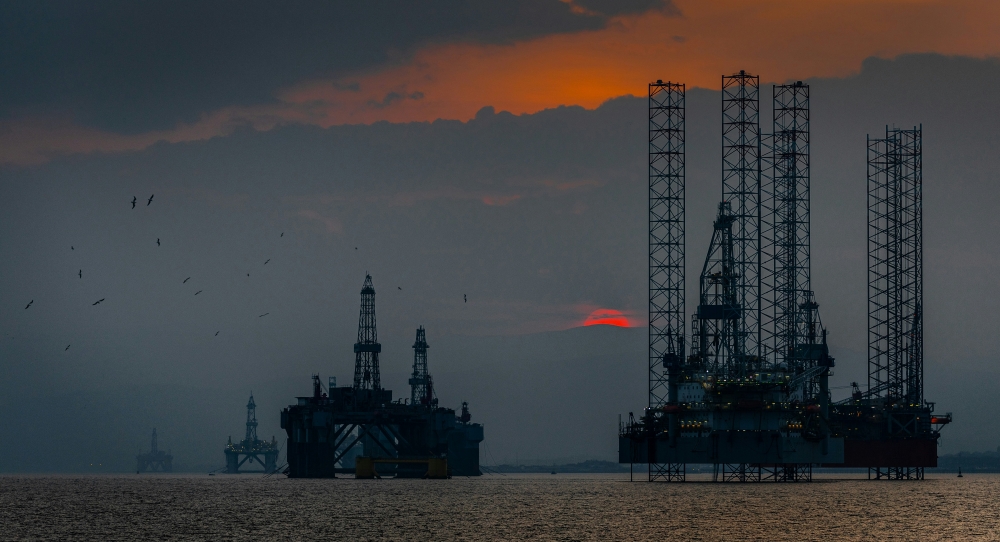
KUALA LUMPUR, Sept 9 — Brent oil surpassed US$100 (RM406.76) per barrel for the first time since July 2026 as the escalation in the United States (US)-Iran conflict, including attacks on oil tankers and Saudi Arabia’s energy facilities, raises concerns about further supply disruptions through the Strait of Hormuz and the Red Sea.
At the time of writing, Brent crude jumped 2.72 per cent to US$100.60 per barrel.
Quintex Intel global strategist Stephen Innes said the situation remained extremely fluid and markets had to prepare for the possibility that elevated oil prices would persist well into 2027.
“Around US$100 per barrel for Brent is reasonable over the next month while the conflict remains unresolved. A serious disruption to Saudi Arabia’s production, further tanker losses or a deeper closure of the Strait of Hormuz could push Brent materially above US$100,” he told Bernama.
On Sept 8, Yemen’s Iran-aligned Houthis launched missile and drone attacks on Saudi Aramco facilities in Abha, Najran and Jazan, triggering fires and forcing operations at some energy facilities to be halted.
On the same day, US forces destroyed five Iranian crude oil tankers in response to attempted ballistic missile attacks on a US Navy warship over the preceding two days.
Conversely, Innes noted that credible diplomacy and a normalisation of shipping flows could pull prices back quite quickly, noting that the physical market was tight, but it was not yet signalling an outright shortage of crude oil.
Brent is now roughly 65 per cent higher year-to-date, using the first 2026 futures settlement as the comparison point of US$60.75 per barrel for Brent crude on Jan 2, 2026.
“Given the visible flows and what we can reasonably infer from the dark fleet, I would estimate the geopolitical premium in Brent at roughly US$15 to US$16 per barrel. That suggests a meaningful part of US$100 Brent reflects war risk, shipping uncertainty and the possibility of a much larger disruption, rather than an immediate absence of physical barrels,” Innes said.
He pointed out that sustained US$100 per barrel oil would clearly add to global inflation and make central banks more cautious about easing policy, particularly in energy-importing economies.
However, Innes noted that the current situation was not the same oil shock the world experienced in the 1990s, as economies were less oil-intensive, electric vehicle (EV) penetration was much greater, and the broader energy transition has reduced the direct transmission from crude prices into economic activity.
“The inflation impact is still important, but probably less destructive than comparable historical shocks,” he said.
As for Malaysia, higher oil prices were a mixed blessing rather than an outright positive, as higher petroleum revenues, Petroliam Nasional Bhd (Petronas)-related income and potentially stronger export receipts provide a significant cushion, said Innes.
“But prolonged US$100 oil also raises fuel, freight, transport and broader input costs throughout the economy. Malaysia is therefore better positioned than most Asian oil importers, but the benefits on the production side have to be weighed against higher inflation and costs facing households and businesses,” he added. — Bernama
Date: 9 September, 2026 6:41 pm
Source: Malay Mail
💬 Join the Conversation! 💬
We’ve disabled comments on our posts and pages to keep the discussions organized and lively! But don’t worry – the conversation isn’t over. Head over to our forum and share your thoughts, ideas, and feedback with the community! It’s the perfect place to connect, learn, and engage with others who care about the same things. We can’t wait to hear from you!