
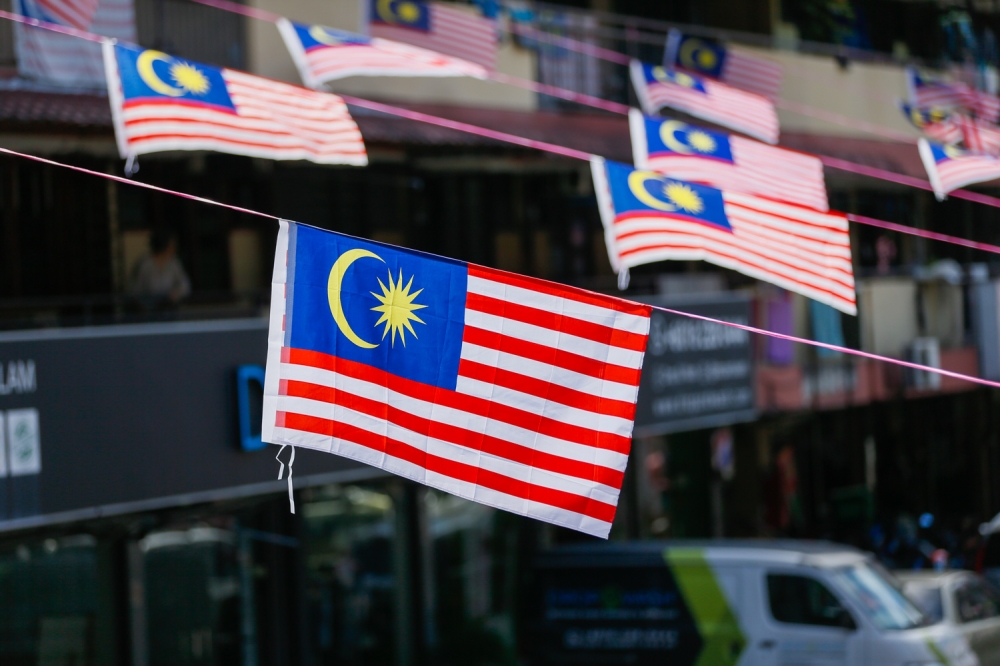
KOTA KINABALU/KUALA LUMPUR, Sept 16 — Julia Chan and Arif Zikri spoke to Sabahans and Sarawakians on what Malaysia means to them and what it means to be Malaysian.
The Sabah perspective
Ask Sabahans about being Malaysian and they can begin with something as uncomplicated and universal as good food and world class sunsets and end with something much more complicated: how to belong to a diverse federation without losing the unique identity that comes with being Sabahan.
Ahead of Malaysia Day, Malay Mail asked several Sabahans what comes to mind when they hear “Malaysia”, what being Malaysian means to them, how that identity differs in Sabah, and what they wish people in Peninsular Malaysia understood about being Sabahan.
What comes to mind when you hear “Malaysia”?
For many, including marine biologist Malinda Auluck, 40, the answer was first and foremost food — and the strong opinions that come with it.
“We are snobbish about our food. Want to cause an uproar? Ask for crispy skin rendang,” she said.
Comedian and trivia host Matt Brian, 29, had a more unexpected first thought.
“To be honest, as a comedian, the first thing I thought of was the missing plane,” he said.
Most waxed lyrical about Malaysia’s delectable food and cultural diversity although corruption was another answer, albeit one given in jest.
But jokes aside, Malaysia meant home and Sabahans loved the country’s diversity and the ability of people from different races and cultures to live alongside one another, mostly in peace.
“It’s far from perfect, but I can say it’s got the best food in the world, it’s got the best sunsets in the world, and the best people. That works for me,” Matt said.
For digital marketer Leon Kuan, 33, Malaysia brought to mind food, cultural diversity, multiple languages and the Malaysia Agreement 1963, which paved the way for the formation of the federation.
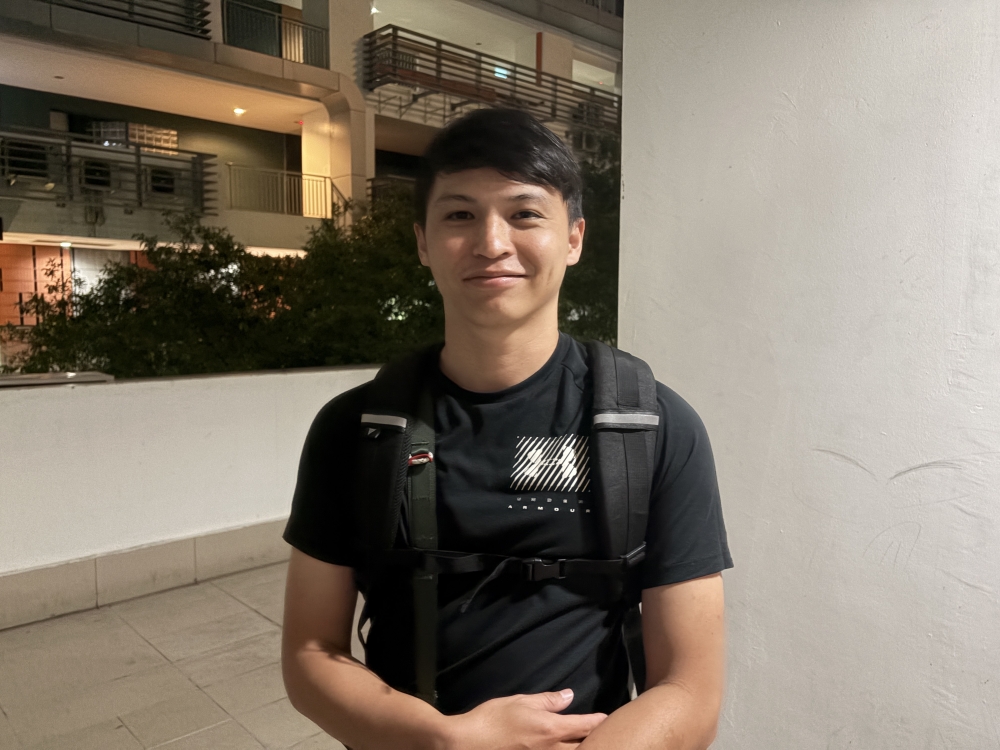
What does being Malaysian mean to you?
For the Sabahans interviewed, being Malaysian was closely tied to the experience of growing up surrounded by different cultures, languages and traditions so deeply integrated into daily life that navigating them requires little conscious thought.
“The ability to move comfortably between different cultures, languages and traditions is not something I consciously practise because it has become second nature,” said Malinda.
For psychiatrist Liang Yoong, 33, being Malaysian meant being born and raised in the country while identifying with its many cultures, cuisines and languages through shared experiences.
For entrepreneur Dinoza Mahruf, 51, diversity was what made Malaysia distinctive.
“For me, being Malaysian means being proud to call home a country where diversity is our identity and unity is our strength,” he said.
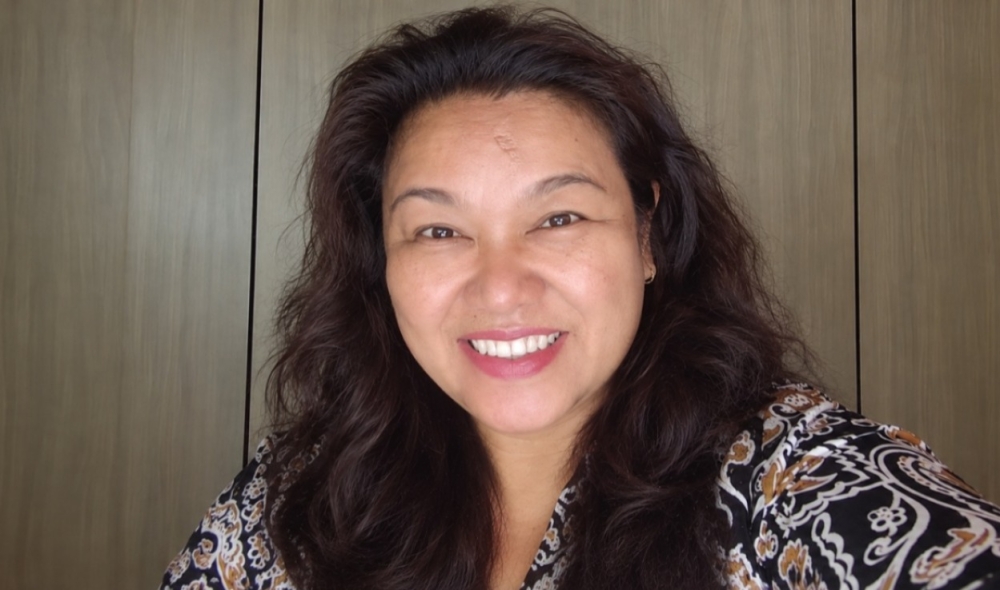
Civil servant Sandra Sokial, 50, described it as being part of “a bigger family” while remaining proud of where she came from.
“I believe that being Malaysian should not mean having to set aside my Sabahan identity,” she said.
Other answers included Malaysia’s strong passport, its affordability relative to the standard of living, government subsidies and assistance, and the warm hospitality associated with Malaysians.
Does being Malaysian mean something different in Sabah?
For the Sabahans interviewed, the answer was broadly yes — but not because they felt less Malaysian.
Rather, they described a Malaysian identity in Sabah shaped by its particularly diverse population and a culture of accommodation between communities.
Liang said Sabah had “a special kind of understanding and acceptance” that she felt was not always found in Peninsular Malaysia.
“We accept the differences and the similarities, we readily accommodate instead of insisting on basing everything on our own race or religion,” she said.
Brian described Sabah as a more “idealistic” and relaxed society.
“We’re very, very united. We’re very chill, Sabahan amalgamation. We’re tight, and we don’t take things too seriously down here in Sabah,” he said.
He said people of different religions and backgrounds could share the same spaces without necessarily making an issue of what others ate or drank.
“We’re just living our own lives. We’re very, very chill,” he said.

That cultural fluidity is also evident in the way Sabahans communicate, said Rozzy Rajab, 39.
She recalled travelling to Kuala Lumpur for a company event with another native Sabahan, where the two naturally switched between Sabah Malay and Mandarin while chatting with a West Malaysian make-up artist.
The make-up artist was surprised by how naturally they moved between the two languages, which Rozzy said was common and unremarkable in Sabah.
She added that Sabah’s ethnic identities could also be difficult for outsiders to neatly categorise.
“Some Kadazans look very much like Chinese and some Chinese look very Bumiputera,” she said, pointing out that people in West Malaysia were often viewed through racial lenses.
Leon, who lived in Kuala Lumpur for several years, said the level of “halal pettiness/toleration” was very different between East and West Malaysia, although Sabah also had its own sensitivities and points of contention.
For Malinda, the Sabahan experience also meant being more conscious of inequalities within Malaysia.
“For me, the biggest difference is the sense of privilege. Growing up in Sabah, the development gap is much more visible, so you’re constantly aware that access to infrastructure, education, healthcare and opportunities isn’t equal for everyone.
“I don’t know if someone who has only lived in big cities like Kuala Lumpur and Selangor would notice this in the same way, because many of those conveniences are simply part of everyday life there,” she said.
What is one thing you wish West Malaysians understood about being Sabahan?
The answers varied, but a common thread emerged: Sabahans do not want their identity reduced to race, religion or politics — and being proud to be Sabahan should never be interpreted as being less Malaysian.
For auditor Peter Wong, 35, it came down to “tolerance and understanding”.
“Not everything revolves around race, religion and politics,” he said.
Brian was even more direct.
“Don’t come here with your identity politics,” he said.
“Don’t try to split us up according to race, according to religion, according to political party. We don’t need that. We’re doing just fine.”
For Rozzy, one thing she wished Peninsular Malaysians understood was Sabah’s relatively easy-going relationship between different faiths and communities.
She said people in Sabah were generally accustomed to celebrating together and respecting each other’s practices without making every interaction a religious issue.
“Definitely don’t come here and cause trouble. Muslims and non Muslims in Sabah are very tolerant towards each other and non judgemental. We celebrate the festivities without issue and genuine celebrated our differences,” she said.
Malinda pointed to another big misconception — that Sabah’s lower level of development meant the cost of living was cheaper.
“In reality, many things are just as expensive, if not more expensive, than in the Peninsula. That’s something many Sabahans live with every day,” she said.
She also pointed to the high cost of travelling between Sabah and the Peninsula, particularly airfares.
Leon, meanwhile, pointed to Sabah’s constitutional position and the Malaysia Agreement 1963. He said many Sabahans struggled to be viewed as equal to their West Malaysian counterparts, whether at a personal or political level.
“When you mention Malaysia, Peninsular people will mention August 31 as National Day. But September 16, the day Malaysia was formed, is not given the same prominence,” he said.
He argued that Sabah and Sarawak should not simply be viewed in the same way as the other states in the federation, reflecting the long-running Sabah and Sarawak position on their status and rights under MA63.
Sandra similarly said Sabahans had their own history and perspective on the formation of Malaysia.
“We see ourselves not simply as another state, but as one of the partners that formed Malaysia, and that shapes how we understand our place in the federation,” she said.
“For many Sabahans, this is not about being less Malaysian. It is about being recognised as an equal partner and having our position respected.”
Dinoza’s message to Peninsular Malaysians was simpler.
“We are Malaysians too,” he said.
There was plenty of pride in Malaysia — its food, diversity, hospitality, shared languages and the ability of people from different backgrounds to live alongside one another.
But there was also a clear desire for that Malaysian identity to accommodate the particular experience of being Sabahan — one shaped by geography, development gaps, cultural fluidity and a different understanding of Malaysia’s formation.
For those interviewed, being Sabahan and being Malaysian were not competing identities.
As Sandra put it: “Being proud to be Sabahan does not make us less Malaysian.”
A strong sense of belonging
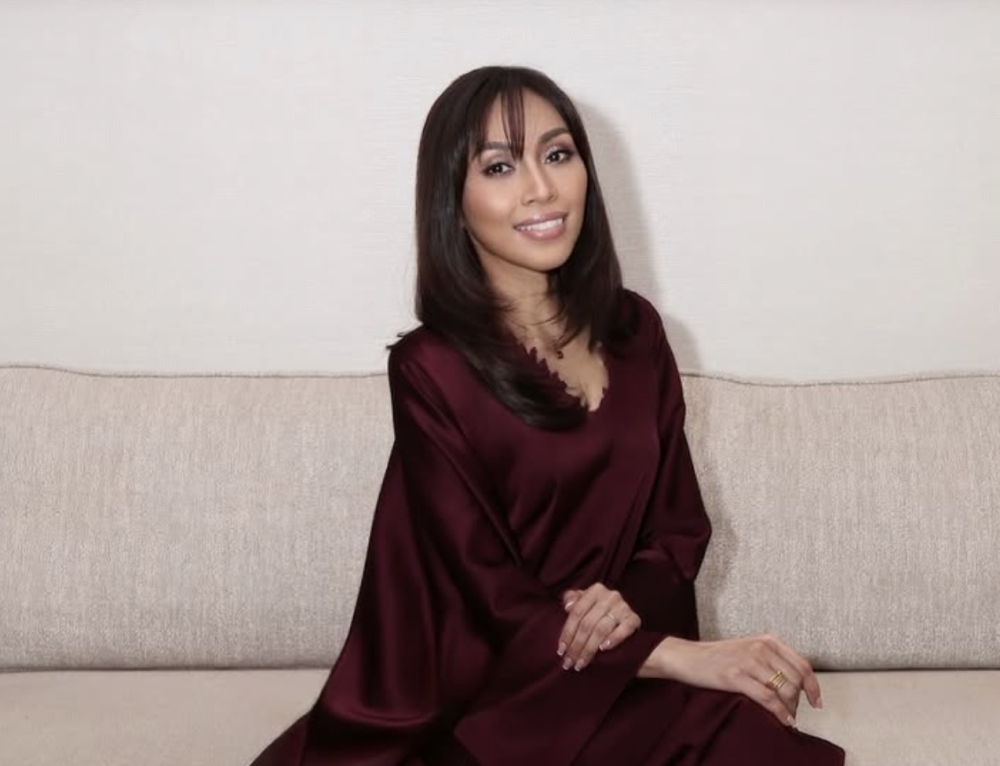
Merdeka Day honours the legacy of 1957, but Malaysia Day marks the union that completed the country.
Malay Mail sat down with several Sarawakian celebrities to explore heritage, identity, and the Bornean pride shaping modern Malaysia.
Multi-award-winning songstress Dayang Nurfaizah, born and raised in Kuching, said that Malaysia is home above all else.
“The food, the people, everything is so warm and colourful.
“Even with all our differences, somehow it all just..works,” Dayang said.
She added that for her, being a Malaysian means celebrating unity in diversity and growing up with different races, languages and cultures is something that she takes pride in.
The Di Pintu Syurga singer also calls for greater cultural awareness from Peninsular Malaysians, pointing out that Sarawak’s unique identity and heritage are just as central to the nation’s fabric as any state in Semenanjung.
“I wish more Semenanjung folks knew Sarawak has its own identity, its own languages and cultures.
“We’re not just ‘the other side’, we are just as Malaysian (as you are),” she said.
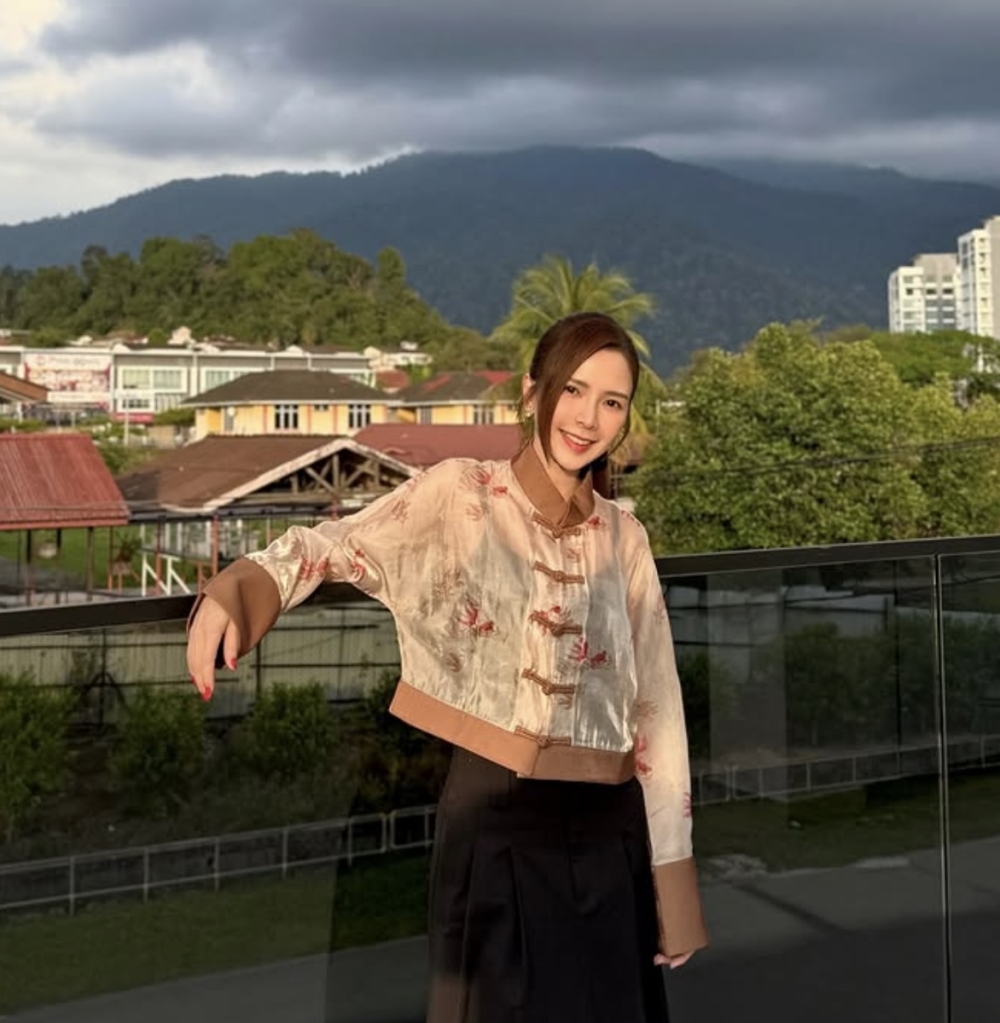
For Sibu-born actress and Mandopop star Stella Chung, celebrating Malaysia’s rich diversity doesn’t stop at home—she proudly carries her Malaysian identity wherever she goes in the world.
“To me, it’s a strong sense of belonging, and I’m really proud to be a Malaysian.
“I’ve travelled quite a bit because of work, and it actually makes me appreciate Malaysia even more.
“Whenever someone asks where I’m from, I’m always happy to say, “I’m from Malaysia!” she said.
Chung, who spent most of her childhood in the neighbouring town of Sarikei, also pointed out that Sarawak’s beauty extends beyond its beautiful scenery and delicious food – it is the warmth of its people and how cultures organically blend together that makes the state special.
“What I love most is the warmth of the people here. People from different races and cultures get along so naturally and celebrate each other’s festivals together.
“I’d really love for more people from Semenanjung to visit Sarawak and experience it for themselves — I’m sure you’ll love it here!” Chung said.
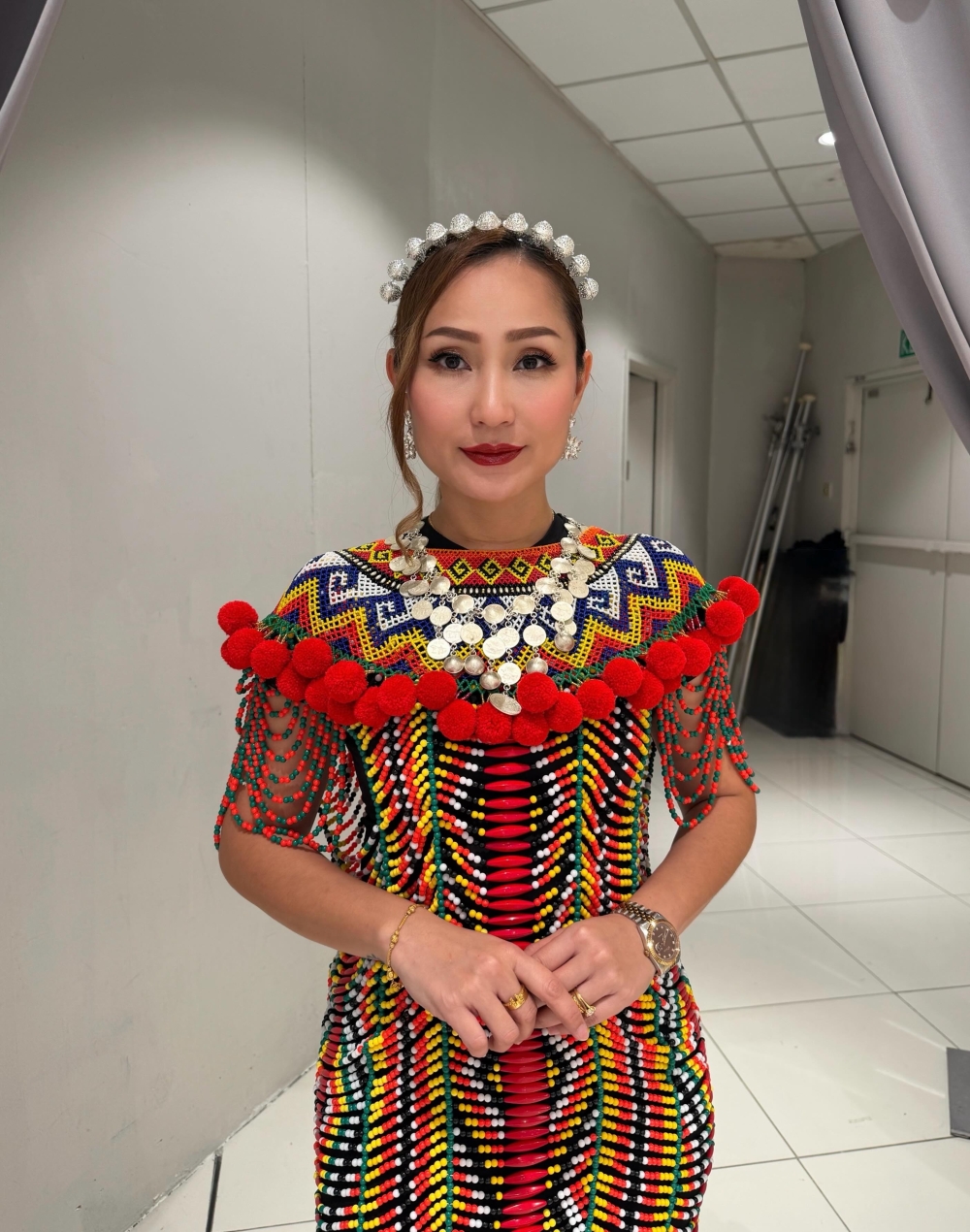
However, popular Iban singer and news presenter Melissa Francis believes that Malaysia’s cultural acceptance is rooted in fundamental values like mutual respect and good manners.
The Sulu Mata Engkudu singer from Sri Aman pointed out that one of her favourite things about Sarawak is how people from different races and religions could coexist harmoniously and even eat together at the same table regardless of having different dietary requirements.
“Let’s appreciate the things we have now which are peace, prosperity and harmony and let’s educate our children and the younger generations by sharing with them what makes us great – which is having mutual respect for each other’s religions and races.
“If we truly want a ‘happily ever after’ for Malaysia, stop fighting with each other, especially toying around with sensitive issues such as religion.
“I believe that if we take care of our manners and show respect to each other, none of this (the fighting) would happen,” Francis told Malay Mail.
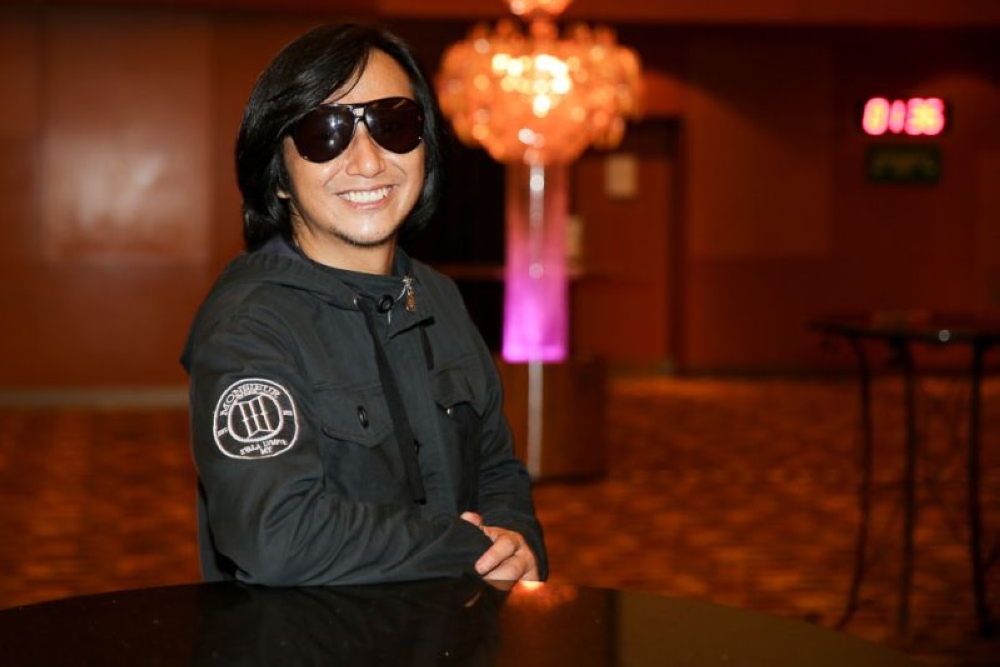
Meanwhile, for Muhammad Radhi Razali, the frontman of famous rock band OAG who is also from Kuching, he wished that more Malaysians would acknowledge or show their appreciation towards Sabah and Sarawak who also fought hard for independence.
“I wish the Semenanjung know that we also fought hard and smart against the colonisers in order to gain Merdeka.
“And we are humbly proud of being Malaysian,” Radhi said.
When asked what the word ‘Malaysia’ means to him, Radhi simply offered “Boleh!”—invoking the iconic national slogan—before closing with the enduring words of Iban warrior Rentap: “Agi Idup Agi Ngelaban” (“As long as you live, keep fighting”).
Date: 16 September, 2026 7:00 am
Source: Malay Mail
💬 Join the Conversation! 💬
We’ve disabled comments on our posts and pages to keep the discussions organized and lively! But don’t worry – the conversation isn’t over. Head over to our forum and share your thoughts, ideas, and feedback with the community! It’s the perfect place to connect, learn, and engage with others who care about the same things. We can’t wait to hear from you!