
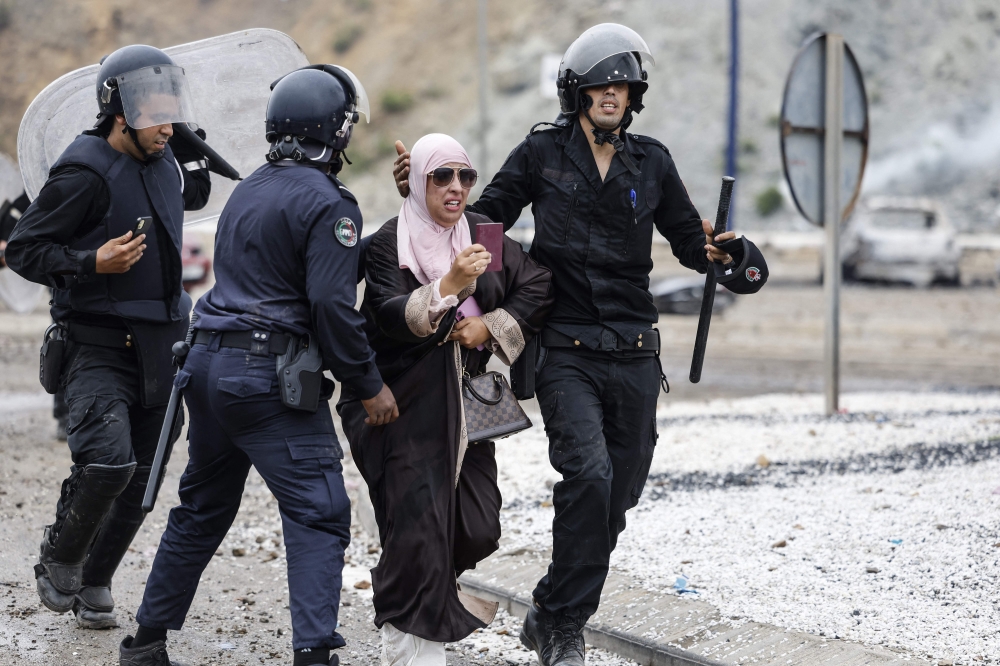
BRUSSELS, Aug 4 — EU countries will seek on Tuesday to draw early lessons from the Ceuta crisis after the migrant rush on Spain’s North African enclave sent tensions spiking between Madrid and the bloc’s more hawkish member states.
The unprecedented sight of an estimated 60,000 people streaming into Ceuta from Morocco – almost all of whom have since left – exposed the fault lines on migration among the EU’s 27 nations.
Since images first emerged of the mass arrivals, most of whom swam around a barrier separating the enclave from Morocco, Madrid has found itself pitted against many of its fellow capitals.
Tuesday’s 10:00 am (0800 GMT) videoconference of the bloc’s interior ministers will provide a chance for countries to look for common ground – or on the contrary to dig in harder.
Countries advocating a hard line have been led most vocally by Italy and Denmark whose Prime Minister Mette Frederiksen sounded the alarm warning that “uncontrolled immigration poses a threat to Europe.”
Both nations last week advocated suspending Spain from the Schengen free-travel area over the crisis – a notion firmly rejected by Madrid, and which in any case is legally impossible under EU rules.
Letter war
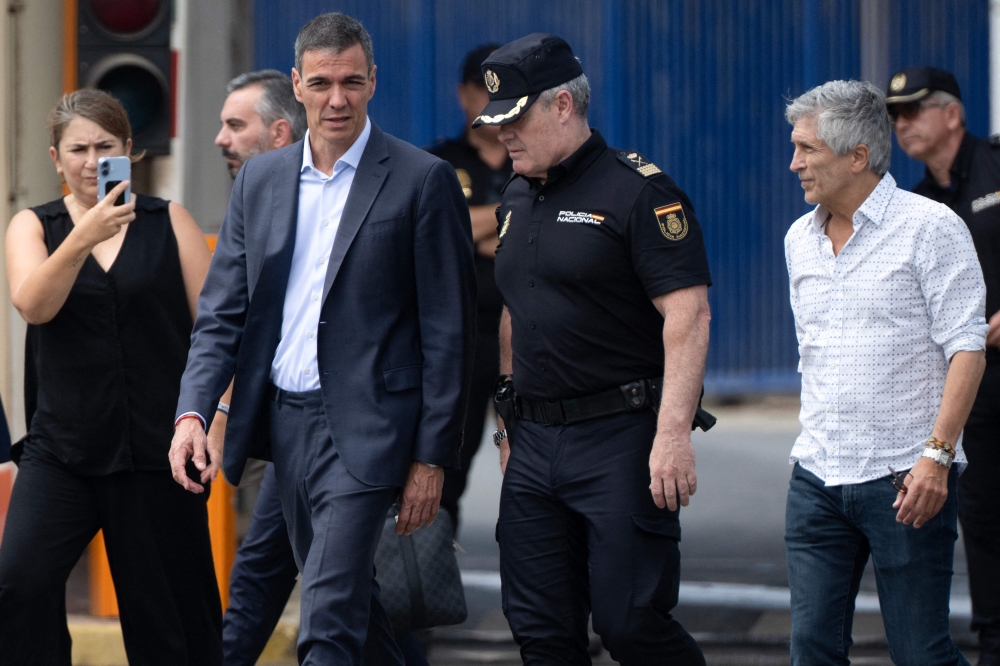
Spanish Prime Minister Pedro Sanchez, whose government supports a relatively open approach to migration including a major push to grant legal status to undocumented migrants already in the country, hit back in a letter to the heads of the EU’s institutions on Saturday.
Assailing what he called a “selfish” attitude by fellow EU countries, Sanchez was first to call for an emergency meeting of member states to work on a “common response” to such crises.
Within hours, 22 countries led by Italy, Denmark, Germany and Hungary sent a counter-letter also demanding urgent talks, but with a different goal: to continue pressing their tough stance on immigration.
EU heavyweight France notably distanced itself from the initiative, saying it amounted to exploiting the situation in Ceuta for political ends. Paris also stressed that the vast majority of migrants who had crossed into the Spanish enclave had already returned to Morocco.
In a taste of what to expect on Tuesday, preparatory talks among the bloc’s EU ambassadors on Monday saw Spain’s envoy voice “frustration” with a perceived lack of support from fellow capitals, according to one EU diplomat.
Conversely – while all assured Madrid of their “solidarity” – some member states “are asking themselves if recent policies adopted by Spain have not sent the signal that the doors are open,” added the diplomat.
European Commission President Ursula von der Leyen has welcomed the talks as a chance to draw “lessons” for a “common European response” to the challenges of irregular migration.
The commission chief on Monday urged the bloc to “double down” in five areas: preventing irregular migration in the first place via cooperation with partner states; strengthening external borders; implementing early warning systems; dismantling smuggling networks and reinforcing returns.
Framing Tuesday’s meeting as a “first step,” von der Leyen said she expected leaders would take up the issue at their next summit, currently planned for October.
The EU has significantly tightened its migration rules in recent months, including by allowing member states to send failed asylum seekers to so-called “return hubs” located outside the bloc’s borders. — AFP
Date: 4 August, 2026 9:01 pm
Source: Malay Mail
💬 Join the Conversation! 💬
We’ve disabled comments on our posts and pages to keep the discussions organized and lively! But don’t worry – the conversation isn’t over. Head over to our forum and share your thoughts, ideas, and feedback with the community! It’s the perfect place to connect, learn, and engage with others who care about the same things. We can’t wait to hear from you!