

KUALA LUMPUR, Nov 14 — It may be “tricky” for Malaysia to figure out who or what will be paying for the long-term care and support of older Malaysians in their day-to-day life, an economist has said.
So what can Malaysia consider when designing a long-term care scheme?
Long-term care system: Tax-funded or insurance?
World Bank senior economist Matthew Dornan said there is “no easy answer” for how Malaysia would fund its long-term care system.
“I think the financing — it’s really important, nothing is going to happen without financing. But it’s also tricky and I think any path that Malaysia takes will be tricky,” he said at the recent National Long-Term Care Financing Dialogue 2026.
As people will always “undersave” or save less than what they actually need, Dornan said a mandatory long-term care system is necessary to share the risks or costs with others.
He said Malaysia could do it either through a tax-funded or mandatory insurance for long-term care, but both will come with its own challenges.
He cited Australia — which has a progressive income tax system and broad tax base — which primarily uses tax revenue for its long-term care costs.
For Malaysia, the obvious challenge if it were to opt for a tax-funded long-term care system is its fiscal space or low tax revenues, he said.
“So the government doesn’t have very much money basically. And so, you know, what do you need to fund a long-term care system using a tax basis?
“Well, you need fiscal reform. You need to boost your tax base, and/or you need to review and reform the subsidies that are in place, which is a very unpopular thing to do. So, you know, that’s really, really tricky,” he said.
As for the insurance option, he noted that countries such as Japan and Korea’s national long-term care insurance schemes still have tax-funded elements.
He said tax revenue plays an important role in those insurance schemes, as it also covers and supports the older generation which had not paid contributions to the insurance.
Dornan said Malaysia does not have a national health insurance system that a long-term care insurance could be built on.
He noted that building it on something like the Employees Provident Fund (EPF) system is also challenging as it does not cover everyone, and those unincluded will have to rely on the tax-funded system.
Among other things, he also said long-term care financing cannot be looked at in isolation, and that there is also a need to consider the entire pension system and people’s financial wellbeing as these are closely linked to each other.
Decide what kind of long-term care costs would be covered first
World Health Organization (WHO) senior health economist Debbie Muirhead agreed that all of the possible financing pathways for a long-term care system should be looked at, and said Malaysia may end up adopting a mixed system.
She said the first step when designing a long-term care system should be deciding what it would cover, as a country would then know “what it’s going to cost” to deliver those benefits.
After a country decides the “benefits package” or what long-term care costs it would cover, it could then have something realistic to start off with and to adjust.
She said the benefits package can be narrowed down in two ways: Either by narrowing or reducing the scope of services that would be covered, or by prioritising those with the greatest need for long-term care (either in terms of financial need or care needs).
She cited the WHO’s “Long-term care for older people: package for universal health coverage” guide which outlines core interventions that could be given priority, and said Malaysia could see if it fits the local context.
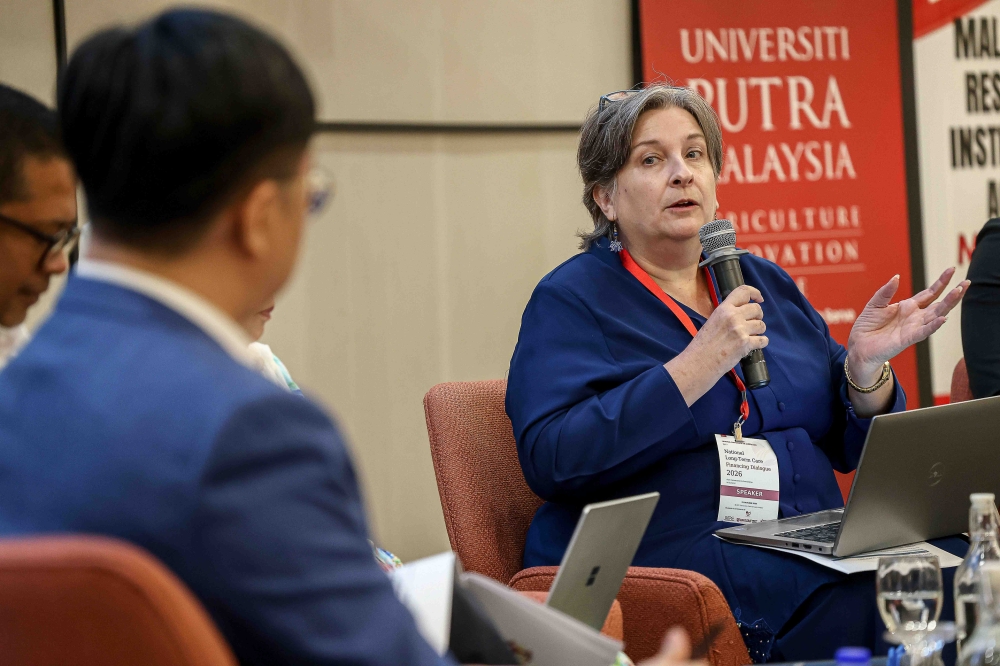
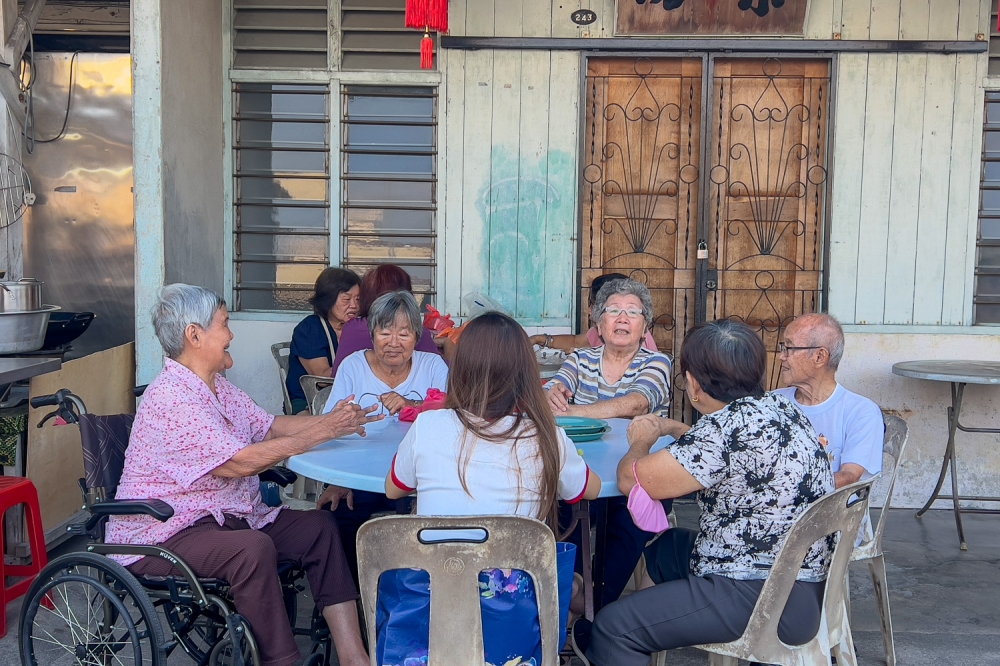
Noting the preference of older Malaysians to continue staying or ageing in their homes, she said this could involve working-age family members — who are providing unpaid care and lose out on pension benefits as they are not in jobs.
She said various factors could be looked at, such as whether a long-term care system should include any financial compensation or pension compensation for such unpaid carers who are saving the system money.
She said older people and their caregivers should be involved in discussions of what a long-term care system’s benefits package would cover “so that we know that it’s really meeting their needs”.
“Importantly though, a financing approach for a scheme should never be seen as the end in itself,” she said earlier, noting that governments should never lose sight of the need to have the right benefits and right incentives to deliver the desired outcomes for older people in the country.
Start small first, then add on
Muirhead said “starting small” with the benefits package would not only make a long-term care system affordable, but would also provide ongoing political capital when governments announce new expansions and additions to the package.
She said this would also prevent losing public trust.
“And the other thing is, if we promise things — entitlements in a package — and then we can’t afford to deliver it, that trust and public acceptability — and trust, that’s so important in something like long-term care — gets diminished as well. So, it’s always good to have that very considered approach about what we can forward,” she said.
Beyond just money: How to support ageing in place and being active within a community
Among other things, she noted that Malaysians’ life expectancy at birth in 2026 is at 75.5 years, but noted that healthy life expectancy in Malaysia has hovered around 65.5 years and that would mean Malaysians on average spend the last 10 years of their life in poor health.
She said there is a need to invest in healthier lifestyles and healthy ageing at an earlier age, including by having age-friendly cities and communities (with 11 cities in Malaysia participating to date in the WHO’s network of such communities).
She said there is a misconception that long-term care is only about getting care at institutional residential facilities, noting that WHO instead defines it as covering the whole range of services and supports “that people need to live with dignity, autonomy and participation in society”.
She stressed the importance of integrated care for older people, which does not only cover healthcare needs, but also covers social needs care.
This includes “social prescribing”, where healthcare workers connect older people to activities and services within their community, which Muirhead said could reduce loneliness and improve their wellbeing and mental health.
The dialogue was part of the National Conference on Ageing 2026 (NCA 2026), which was organised by Universiti Putra Malaysia’s Malaysian Research Institute on Ageing (MyAgeing) together with Retirement Fund Inc (KWAP), the United Nations Population Fund (UNFPA) and the Malaysia Caregivers Association (Kendana).
Recommended reading:
Why Malaysia should have national long-term care insurance and how it can be funded
https://www.malaymail.com/news/malaysia/2026/11/02/why-malaysia-should-have-national-long-term-care-insurance-and-how-it-can-be-funded/240938
If Malaysia plans to roll out a new long-term care insurance, what lessons can be learned from Singapore?
https://www.malaymail.com/news/malaysia/2026/11/07/if-malaysia-plans-to-roll-out-a-new-long-term-care-insurance-what-lessons-can-be-learned-from-singapore/241731
Date: 14 November, 2026 7:30 am
Source: Malay Mail
💬 Join the Conversation! 💬
We’ve disabled comments on our posts and pages to keep the discussions organized and lively! But don’t worry – the conversation isn’t over. Head over to our forum and share your thoughts, ideas, and feedback with the community! It’s the perfect place to connect, learn, and engage with others who care about the same things. We can’t wait to hear from you!