
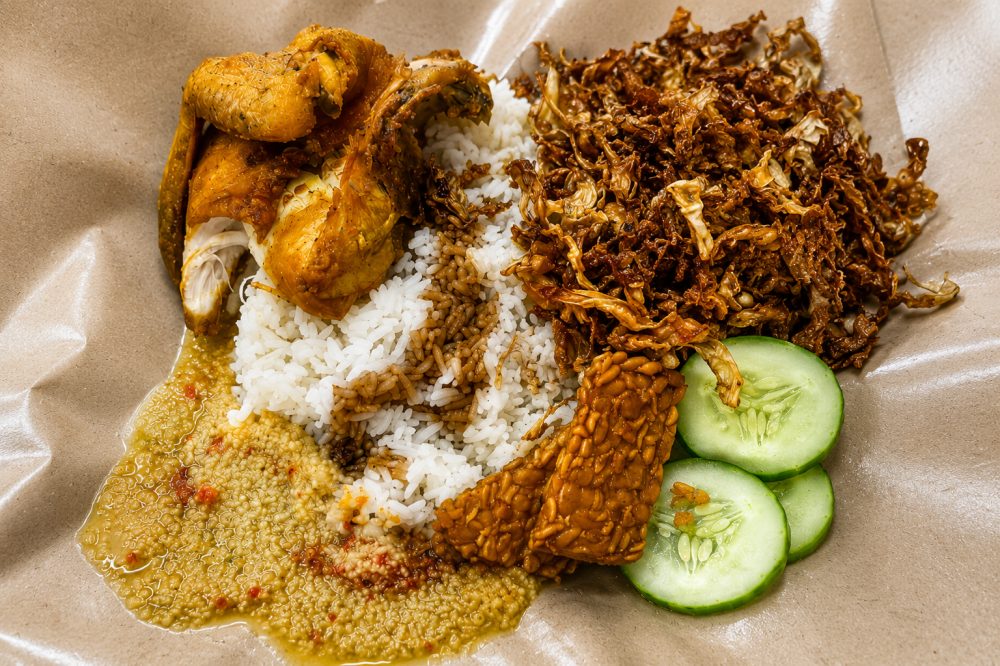
KUALA LUMPUR, June 8 — A side of cabbage with ayam gepuk, a bowl of miso soup alongside a rice set, or butter used to make a croissant — these are small details diners rarely think about when ordering a meal.
But for many food businesses, sourcing the ingredients behind those everyday menu items is becoming increasingly challenging as costs fluctuate and supply becomes less predictable.
Madu Wanita, owner of two ayam gepuk outlets, said the price of cabbage has gone up and is affecting operating margins slightly.
“Apart from cabbage, the price of dried chillies has also gone up.
“But because this outlet here is popular among students, we have decided to keep the price as it is and increased by RM1, the set meals at our other outlet.”
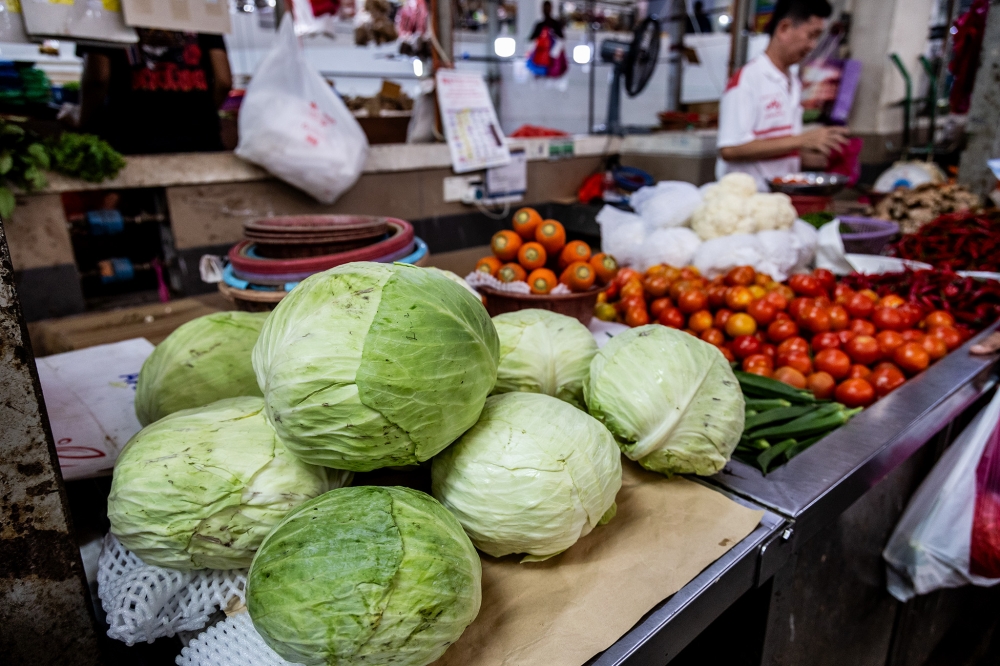
Apart from vegetables, the business is also facing higher costs for ingredients used in its sauce, such as cashew nuts, which give it a creamy texture.
She added that cooking oil costs have become increasingly burdensome also despite existing subsidies, forcing the business to purchase additional supplies beyond its subsidised quota.
At Ordinary, a cafe in Taman Melawati, a member of the kitchen staff said the business has experienced challenges obtaining beef brisket from New Zealand, which is used in one of its main menu dishes.
The staff said broader disruptions affecting international shipping and import logistics have created uncertainty around supplies.
“If the situation worsens, we may have to remove the item from our menu temporarily,” the staff said.
Over at a Kuala Lumpur cafe KLCG, they had to switch the type of pasta used in one of its dishes after the product became unavailable from local suppliers.
These experiences mirror what some food businesses across Malaysia say they are noticing: ingredients remain available overall, but some have become more expensive, harder to source or temporarily unavailable from preferred suppliers.
However, Mydin Mohamed Holdings managing director Datuk Ameer Ali Mydin said there are currently no major warning signs involving key food staples.
“For example, items like tomatoes from Thailand, chilli powder and spices, rice and frozen meat from India — at the moment there are no major red alarms for this month and next month,” he said.
Still, eatery owners and operators say they are paying closer attention to supply chains and preparing contingency plans should disruptions worsen.
Taste matters
Not all businesses have been able to find immediate replacements for ingredients they normally use.
Ground FLAW cafe in Taman Melawati said it had temporarily stopped serving miso soup — a side dish accompanying some of its rice meals — after its usual miso paste became unavailable.
“The miso soup paste that we use had been out of stock for several months and we have not been able to source an alternative brand with the same taste profile.
“We have temporarily paused serving the side dish while waiting for supplies to resume or until we find a suitable replacement,” the cafe said.
For bakeries and cafes, concerns extend beyond availability to rising ingredient costs.
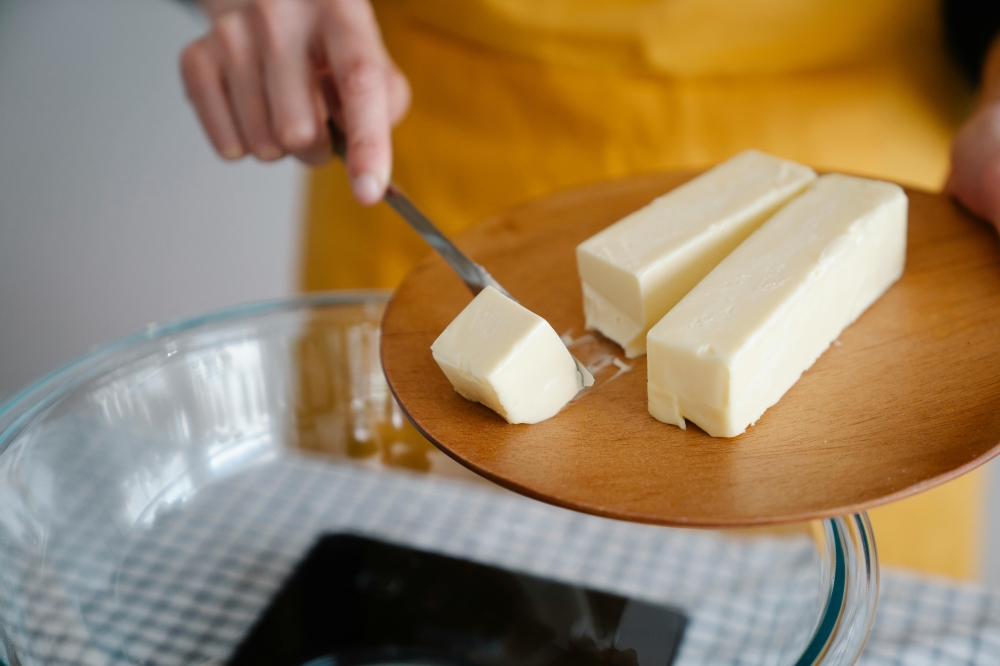
Co-owner and baker of Sugr, Salina Tuan Baharom, said prices for imported butter brands have risen sharply in recent months, alongside chocolate prices.
“We are constantly sourcing alternatives, just in case we can’t afford to absorb future price increases.
“So far it hasn’t affected our production line, and the price of imported butter had already been increasing even before the US-Middle East conflict started,” she said.
The bakery has been somewhat cushioned by relatively stable flour prices.
“Flour is still affordable, and even with price increases, it’s not much. It’s still something we don’t have to worry about for now,” Salina said.
Similarly Provisions cafe owner Lim Heng Kit said specific brands he uses for cakes and bread have been unavailable.
“The specific brands that we currently use aren’t available, more specifically French butter from our current supplier.
“With other products, so far there is no issue but expecting prices to rise.
“By not using our regular butter, it does affect the taste as different butter fat content varies,” Lim said, adding that they may resort to adjusting their recipe or source for the next closest ingredient.
Local fare not spared
Even businesses that rely largely on local ingredients are noticing subtle changes.
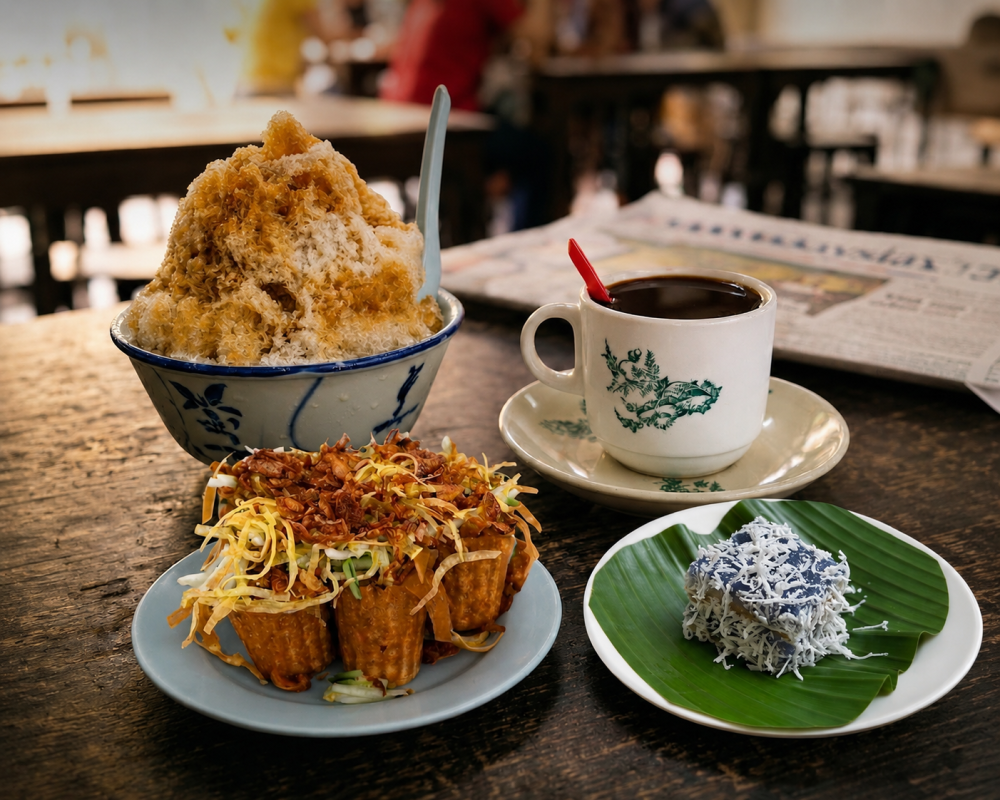
Victor Low, owner of Baba Low, said the restaurant has recently experienced slight difficulty obtaining kapur sirih, an alkaline lime paste used in various kuih and cendol preparations.
While the issue has not significantly affected operations, Low said inconsistent availability of the ingredient has become more noticeable in recent months.
The experiences shared by food operators largely align with Ameer’s assessment that Malaysia is not facing widespread shortages.
Instead, businesses describe a situation in which ingredients remain accessible but become more expensive, less predictable or suddenly unavailable from preferred suppliers.
For now, these businesses say the challenges remain manageable.
But their experiences offer a glimpse into how geopolitical tensions, rising logistics costs and shifting global supply chains can gradually seep into everyday dining experiences and that includes your favourite cafe menu item suddenly being removed.
Malaysia may not be facing supply shortages today, but for businesses that depend on a steady flow of ingredients, preparations to deal with that have already begun.
Date: 8 June, 2026 7:00 am
Source: Malay Mail
💬 Join the Conversation! 💬
We’ve disabled comments on our posts and pages to keep the discussions organized and lively! But don’t worry – the conversation isn’t over. Head over to our forum and share your thoughts, ideas, and feedback with the community! It’s the perfect place to connect, learn, and engage with others who care about the same things. We can’t wait to hear from you!