
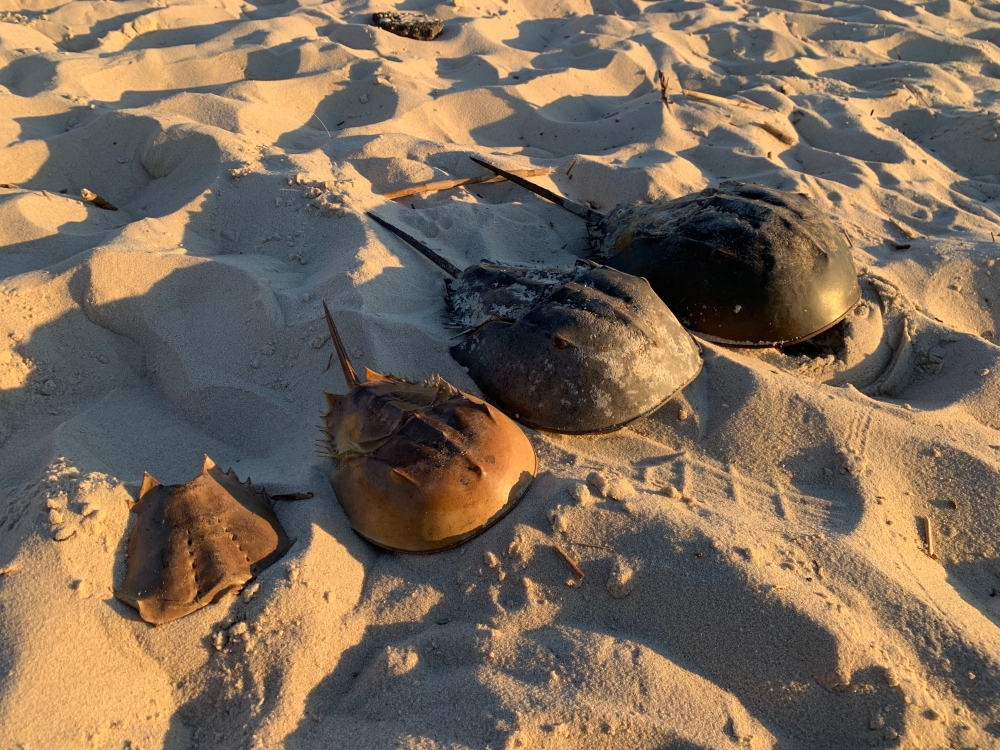
PUTRAJAYA, June 20 — Malaysia recorded a 14.44 per cent increase in horseshoe crab landings over a three-year period, reflecting the continued resilience of its coastal ecosystems in supporting the survival of this ancient and high-value marine species.
The Department of Fisheries Malaysia (DOF) said the total landings of horseshoe crabs increased from 232.80 tonnes in 2023 to 266.42 tonnes in 2025, while their wholesale market value climbed 9.32 per cent to RM2.68 million, compared with RM2.45 million over the same period.
Director-General of Fisheries Datuk Adnan Hussain said horseshoe crabs are a treasure trove of the country’s marine biodiversity, with high strategic value not only to coastal ecosystems but also to the fields of bioscience and biomedicine.
“The increase in horseshoe crab landings shows that the country’s coastal ecosystems are still capable of supporting the survival of the species.
“However, pressure on natural habitats from development, pollution and overexploitation requires more integrated and continuous conservation action,” he said in a statement in conjunction with World Horseshoe Crab Day 2026, here today.
The DOF said that although horseshoe crabs account for only around 0.019 per cent of total capture fisheries landings in the country, the species carries premium value and has the potential to generate additional income for coastal fishing communities.
Known as a “living fossil”, the horseshoe crab has existed on Earth for more than 400 million years and holds significant value in biomedicine through its blue blood, which contains amebocyte lysate, an essential component used in the safety testing of vaccines and medicines to detect bacterial contamination.
According to the DOF, Malaysia plays an important role in the conservation of the species as it is home to three of the world’s four horseshoe crab species, namely Carcinoscorpius rotundicauda, Tachypleus gigas and Tachypleus tridentatus.
The department said that despite positive trends in landing data, the horseshoe crab population still faces multiple threats, including habitat destruction from coastal development, plastic waste pollution and uncontrolled egg harvesting activities.
In this regard, the DOF said it will continue to strengthen conservation efforts through enforcement, scientific research, juvenile release programmes and the gazetting of breeding areas as protected zones.
The department also urged the community to work together to preserve coastal ecosystems and mangrove forests, as efforts to protect horseshoe crabs are not only important for maintaining the balance of marine biodiversity but also reflect the country’s commitment to conserving natural resources for future generations. — Bernama
Date: 20 June, 2026 1:00 pm
Source: Malay Mail
💬 Join the Conversation! 💬
We’ve disabled comments on our posts and pages to keep the discussions organized and lively! But don’t worry – the conversation isn’t over. Head over to our forum and share your thoughts, ideas, and feedback with the community! It’s the perfect place to connect, learn, and engage with others who care about the same things. We can’t wait to hear from you!