
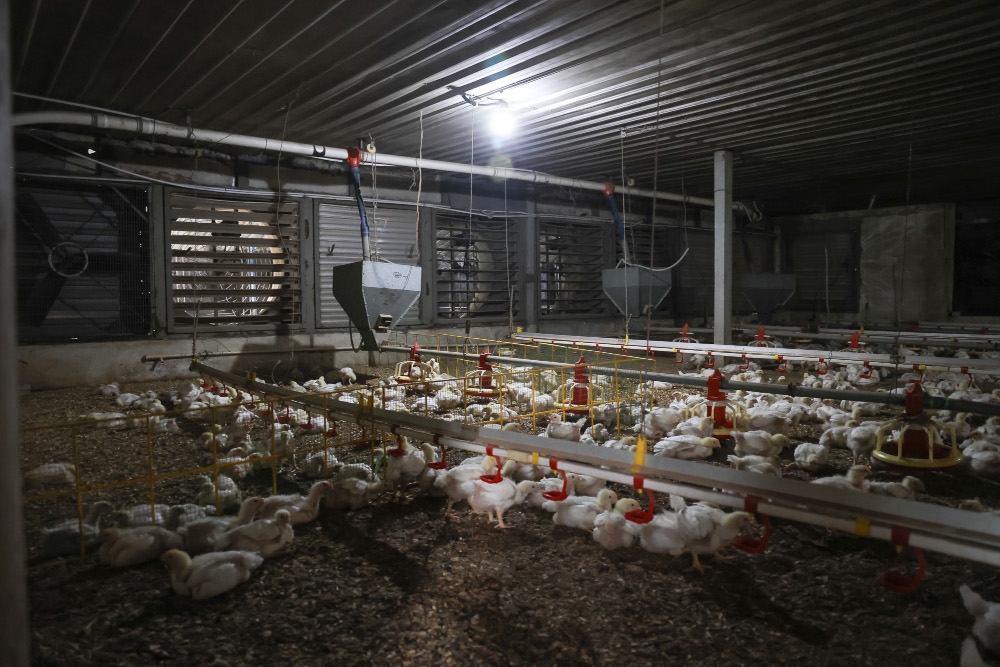
SHAH ALAM, Sept 18 — Inside a closed-house chicken farm in Jalan Kebun here, Mohd Muzamri Shoib instructed one of his workers to open the door.
He chose the worker deliberately.
As the door opened, Muzamri watched the flock before explaining why even a simple interruption to their routine could cause stress.
“These chickens can get stressed when someone they do not recognise opens the door,” he said.
But an unfamiliar presence is not the only source of stress for the birds.
Heat poses a far more serious challenge, and one that farmers cannot simply keep outside the door.
A prolonged spell of extreme heat could affect how quickly chickens grow, how much farmers lose and how well they perform.
Keeping the heat out
Malay Mail recently visited Muzamri’s farm, where the broiler farmer and chairman of the Selangor Poultry Farmers Association has spent 26 years raising chickens.
With a very strong El Niño expected to develop towards the end of this year, Malaysia could face extreme heat and dry weather from January to May 2027, with temperatures potentially reaching 40°C, according to MetMalaysia.
Farmers like Muzamri are therefore relying on systems that have become an increasingly important part of modern poultry farming.
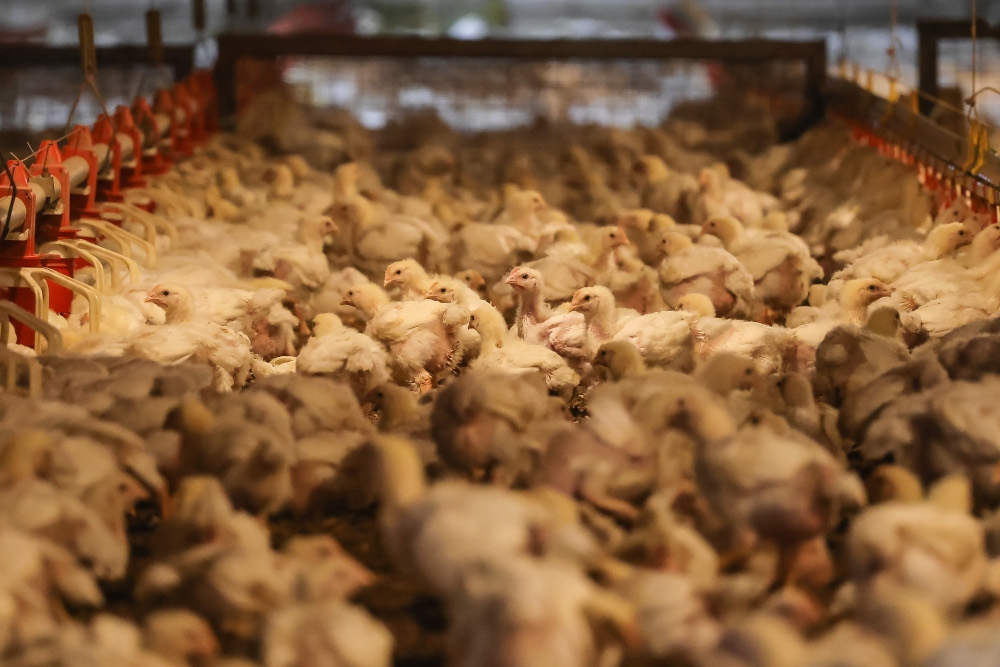
His farm has two closed-house poultry buildings, one with two levels and another with a single level, both equipped with cooling pads and exhaust fans designed to keep temperatures under control.
The cooling pads line the walls of the buildings, with water pumped from large tanks and circulated through them before air is drawn through and cooled.
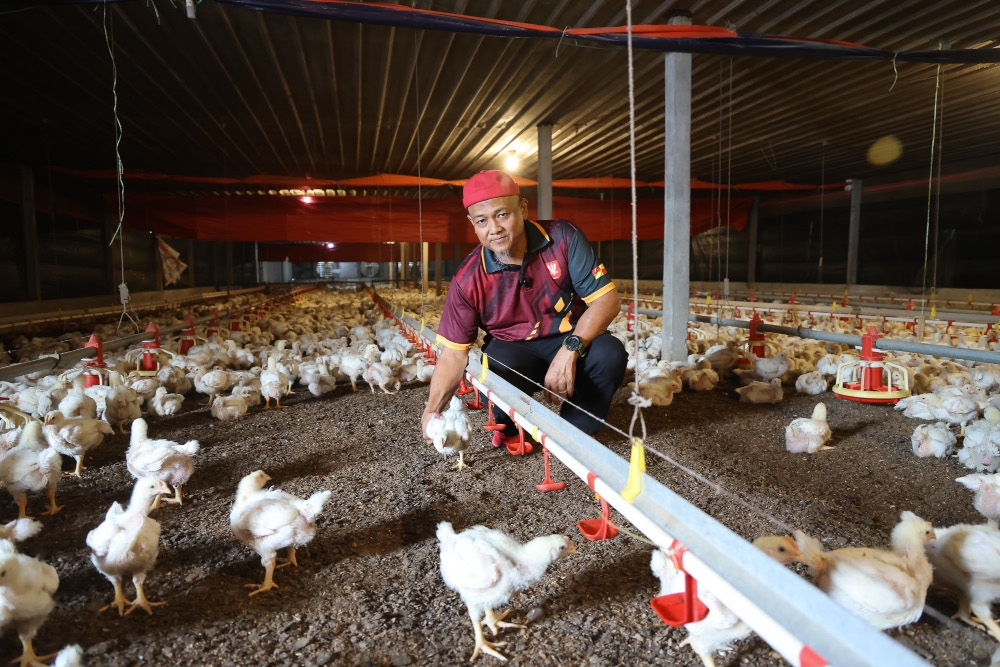
At the other end, large exhaust fans pull the air out while helping to remove ammonia and odours from the building.
The result is a controlled environment in which the temperature can be adjusted according to the age of the chickens.
Younger birds, for instance, require warmer conditions, with temperatures of around 37°C being more comfortable for them, similar to the warmth they would experience with a mother hen.
For older broilers, however, excessive heat becomes a growing concern.
When chickens start to overheat
Professor Datuk Zulkifli Idrus, director of the Institute of Tropical Agriculture and Food Security at Universiti Putra Malaysia, said chickens were particularly vulnerable to prolonged heat because they could not sweat like humans.
Their bodies are covered with feathers, making it harder for them to lose heat.
Instead, chickens mainly cool themselves by panting and increasing blood flow to their skin, combs and wattles.
“When temperatures remain high, they pant more, become less active, eat less and drink more,” he said.
If the heat continues, the birds can become dehydrated and their normal bodily functions can be disrupted.
Severe and prolonged heat stress can eventually result in organ failure and death, Zulkifli said.
For broiler farmers, the problem is compounded by the birds’ rapid growth.
Modern broilers become heavy quickly and generate considerable body heat, making birds approaching market weight particularly vulnerable when temperatures rise.
Cooling the flock
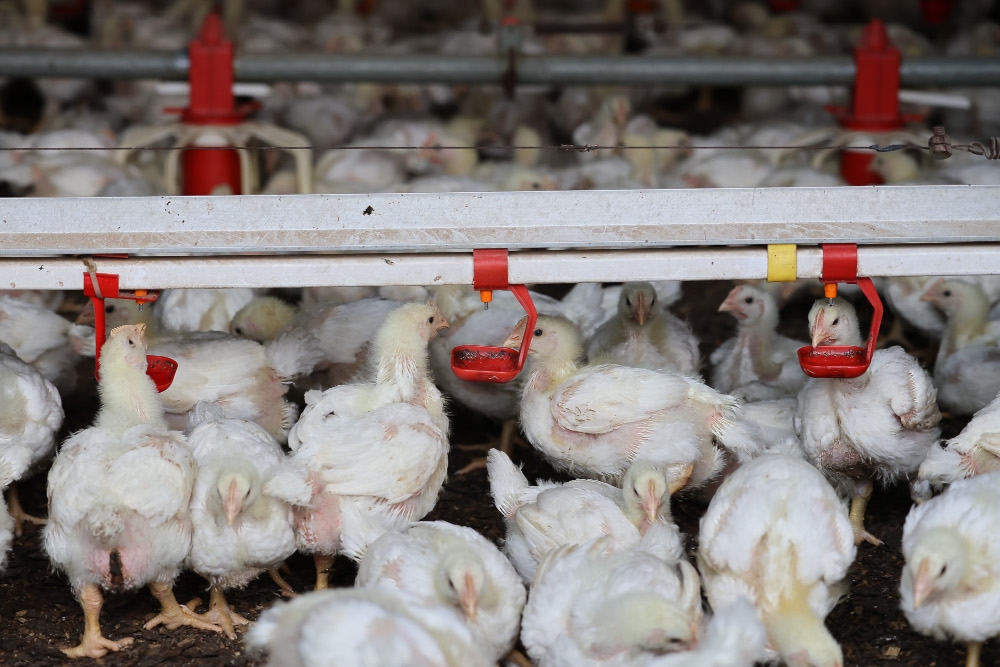
Muzamri said his farm’s environmental control system allows him to regulate the temperature, ventilation and feeding of the chickens.
The system is currently operated through controls at the farm, although he is looking to upgrade it so the same functions can be managed through a smartphone.
That would allow him to monitor and adjust the system even when he is away from the farm.
The controls can be used for the chicken feeders, cooling pads and fans.
And when the heat becomes particularly intense, Muzamri has another measure ready.
He buys bags of ice and puts them into a reservoir through which water passes before being pumped towards the cooling pads.
He normally orders about 30 large bags, which he said can last five to six days.
The farm has about eight water tanks, roughly the size of those commonly found in the attics of Malaysian landed homes.
Heat stress on chickens
For Muzamri, these preparations are not new.
The system has been in use for years, but the prospect of a prolonged period of extreme heat means there is little room for complacency.
“My farming activities are primarily focused on broiler chickens, but hot weather and maintaining temperatures in poultry houses are indeed very important issues for the poultry industry as a whole, particularly the broiler sector.
“When excessively hot weather occurs, chickens can experience heat stress. The effects depend on the type and age of the chickens.
“For broilers, some of the common concerns include reduced feed intake, slower growth, poorer feed conversion ratio and an increased risk of mortality if temperature and ventilation are not properly controlled,” he said.
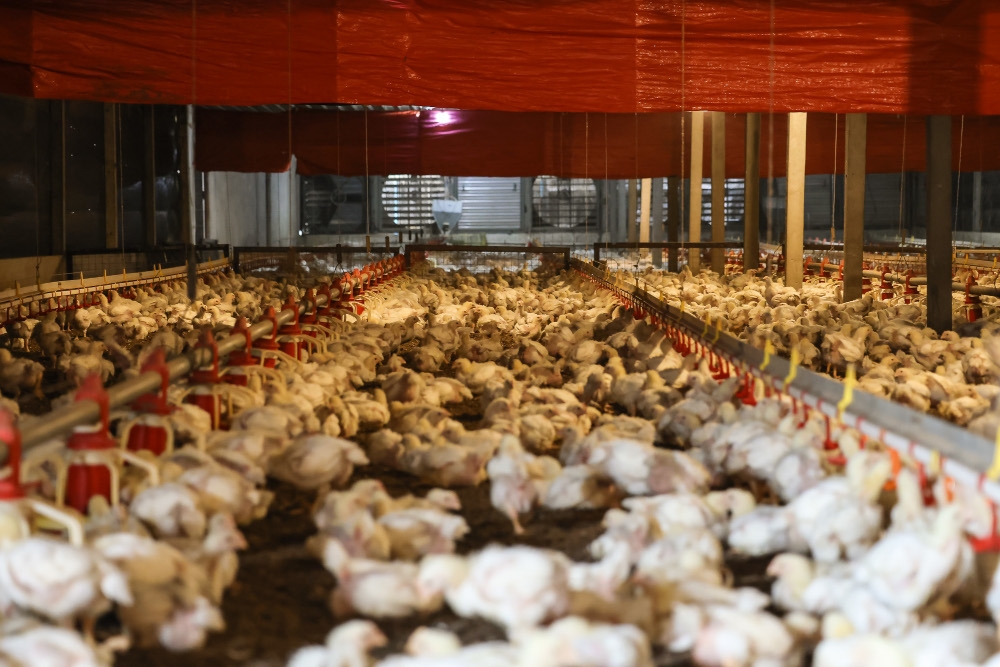
These systems are increasingly important for modern farmers, particularly those operating closed-house farms, where exhaust fans, cooling pads, tunnel ventilation systems, temperature and humidity sensors and automatic controllers are used to manage heat.
“When temperatures rise, these systems increase ventilation and use cooling pads to help lower the temperature inside the poultry house,” Muzamri said.
“We also incur costs to purchase ice to help cool the poultry houses during the hottest part of the day, between 11am and 3pm.”
But keeping chickens cool is not simply a matter of turning on more fans.
Water is just as important.
Zulkifli said chickens drink substantially more during hot weather as they try to replace fluids lost through panting and cool their bodies.
A constant supply of clean drinking water that is not excessively warm is therefore essential, while farmers must also ensure their generators and emergency power supplies are working.
A power failure during extreme heat can be particularly dangerous in a closed-house system because the ventilation and cooling systems can stop at the moment they are most needed.
Muzamri said his preparations also extend to giving the chickens drinks containing rock sugar and other supplements intended to help them cope with the heat.
“We also provide chickens with drinks that can help cool their bodies, including rock sugar and other additional supplements, to help regulate their body temperature,” he said.
For open-house farms, where conditions inside the poultry houses are more directly affected by the weather outside, farmers must pay closer attention to ventilation, fans, shading, water supply and stocking density.
Preparing for prolonged heat
Zulkifli said the greatest risk was not necessarily a single exceptionally hot afternoon, but a prolonged spell in which high temperatures persisted day after day, particularly when nights remained warm and gave the birds little opportunity to recover.
“The problem is not just one unusually hot afternoon, but a series of hot days over a long period, especially if the night temperatures stay high and the birds have little time to recover,” he said.
The combination of temperature, humidity, ventilation and water availability determines how severe the heat stress becomes.
Adult chickens generally begin to experience heat stress when temperatures rise above about 26°C, particularly when humidity is high, he said.
The risk becomes considerably greater once temperatures reach 32°C to 35°C and above.
High humidity makes panting less effective because the birds struggle to release heat through evaporation.
For broilers, the consequences can extend beyond animal welfare and into production.
Heat-stressed birds eat less, grow more slowly and can become less efficient at converting feed into body weight.
Severe or prolonged heat stress can also increase mortality.
Laying hens face a different set of problems.
Reduced feed intake means fewer nutrients and less energy are available for egg production, while prolonged heat exposure can interfere with reproductive processes.
The result can be fewer and smaller eggs, as well as poorer eggshell quality.
For farmers, the priority is therefore to prevent heat stress before it becomes severe.
“Fans, cooling pads, water pumps, sensors, generators and water supplies need to be inspected and maintained more frequently,” Muzamri said.
At Muzamri’s farm, much of that infrastructure is already in place.
The technology may eventually move further away from the farm floor and into the farmer’s hand, with smartphone controls allowing Muzamri to monitor conditions and operate equipment remotely.
For now, however, the principle remains the same as it has throughout his 26 years in the industry: keep the birds comfortable, keep the air moving and make sure there is enough water.
With the heat expected to intensify, those preparations could become increasingly important.
Date: 18 September, 2026 7:35 am
Source: Malay Mail
💬 Join the Conversation! 💬
We’ve disabled comments on our posts and pages to keep the discussions organized and lively! But don’t worry – the conversation isn’t over. Head over to our forum and share your thoughts, ideas, and feedback with the community! It’s the perfect place to connect, learn, and engage with others who care about the same things. We can’t wait to hear from you!