
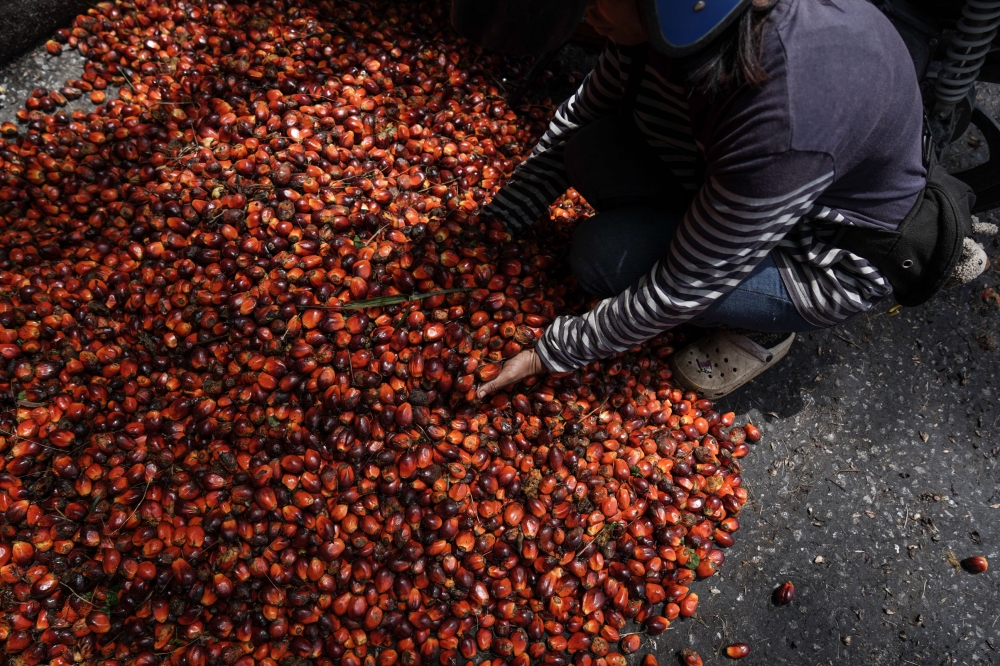
JAKARTA, June 20 — Indonesia’s plan to tighten oversight of strategic commodity exports through a new state-linked monitoring framework is being closely watched by industry players in Malaysia as well as buyers and traders in major markets, with analysts assessing its potential implications for the global palm oil trade.
The framework forms part of a broader government effort to improve oversight of export transactions, curb practices such as under-invoicing and transfer pricing, and retain a greater share of export earnings within the domestic financial system.
The development is significant for the palm oil industry as Indonesia and Malaysia together account for more than 80 per cent of global palm oil exports, making policy changes in either country closely followed by international buyers and traders.
According to projections by the United States Department of Agriculture (USDA), Indonesia is expected to produce about 46 million tonnes of palm oil in the 2024/25 marketing year, while Malaysia is projected to produce around 19.4 million tonnes, maintaining their positions as the world’s two largest producers.
Exporters seek clarity
Initial concerns over the policy were shared by exporters in both Malaysia and Indonesia, said Minister Counsellor (Economy) at the Malaysian Embassy in Jakarta, Ahmad Akmal Muhamad.
He said businesses had sought greater clarity on how the framework would be implemented, particularly on whether existing export documentation and commercial procedures would be replaced under the new system.
“Both Malaysian and Indonesian exporters raised concerns over the policy, largely because details of the implementation had yet to be announced,” he told Bernama.
The framework, announced by President Prabowo Subianto in May, is being implemented through Danantara Sumberdaya Indonesia (DSI), a state-linked entity tasked with overseeing exports of selected strategic commodities, including crude palm oil (CPO), coal and ferroalloys.
It complements Indonesia’s revised Foreign Exchange Earnings from Natural Resource Exports (DHE SDA) regulation, which requires a larger share of export proceeds to remain within the domestic financial system.
Ahmad Akmal said subsequent engagements with Indonesian authorities indicated that the government was moving towards a monitoring-focused approach rather than a wholesale overhaul of existing export processes.
Existing export documentation is expected to remain in place, while DSI’s role is likely to focus on digitalising and monitoring export transactions to improve visibility over commodity shipments.
Recent reports have similarly suggested that DSI may ultimately function primarily as a monitoring and supervisory body, while exporters continue to manage commercial relationships and transactions with overseas buyers.
Limited market impact expected
Against that backdrop, Malaysian Palm Oil Board (MPOB) director-general Datuk Dr Ahmad Parveez Ghulam Kadir said the framework should be viewed primarily as a domestic regulatory adjustment aimed at enhancing trade transparency and oversight.
“At this stage, we do not anticipate any structural changes or long-term disruptions to the physical global palm oil supply,” he said.
Ahmad Parveez noted that recent clarifications from Indonesian authorities indicated the framework was focused on strengthening monitoring, reporting and price-fairness assessments rather than intervening directly in existing commercial contracts or established customer relationships.
As such, he said, any market adjustments were likely to be temporary and confined to administrative alignment during the transition period.
Ahmad Parveez said no significant change in Malaysia’s market share was expected at this stage, emphasising that Malaysia’s palm oil exports were largely determined by available supply and prevailing market conditions.
“Even if there were a temporary supply gap from Indonesia, Malaysia will not be able to fully replace Indonesia’s volume in the global market,” he said.
According to the Indonesian Palm Oil Association (GAPKI), Indonesia exported 32.34 million tonnes of palm oil and related products in 2025.
Malaysia exported about 16.9 million tonnes of palm oil and palm-based products during the same period, according to MPOB data.
Ahmad Parveez said that major importers were unlikely to make significant changes to their purchasing strategies, as buying decisions would continue to be driven by price competitiveness, product availability and shipment reliability.
For the European market, he said sustainability compliance, traceability and documentation requirements remain key considerations regardless of changes to export administration systems.
Stronger oversight, greater traceability
While Malaysian industry observers expect limited immediate impact on trade flows, Indonesian economists view the policy as part of a broader effort to strengthen the country’s position in global commodity markets.
Economic and Business analyst Dr Muhammad Ramaditya said consolidating export oversight under a single framework could enhance Indonesia’s bargaining position in global commodity markets as the world’s largest CPO producer.
The University of Indonesia Administrative Science lecturer said stronger oversight would provide Indonesia with better visibility over export flows and pricing information, enabling policymakers to strengthen governance of strategic commodity exports and reduce reliance on external intermediaries.
He said the framework should be viewed alongside the revised DHE SDA regulation, as both measures were designed to improve monitoring of export revenues, strengthen foreign exchange liquidity and support long-term economic resilience.
According to Ramaditya, the policy also reflects the government’s efforts to curb leakages arising from practices such as under-invoicing and transfer pricing, while ensuring a larger share of commodity earnings contributes to the domestic economy.
Beyond governance and revenue objectives, he said tighter oversight could improve traceability and transparency across the palm oil supply chain, potentially supporting Indonesia’s efforts to meet sustainability requirements increasingly demanded by international markets, including under the European Union Deforestation Regulation (EUDR).
Implementation remains key
However, Ramaditya cautioned that the success of the initiative would depend on implementation, particularly the readiness of DSI’s digital infrastructure and operational capacity to efficiently handle Indonesia’s vast commodity trade volumes.
He said the challenge for policymakers would be to strengthen oversight without creating additional administrative burdens that could affect the efficiency of export activities.
Ramaditya also warned that any perception of excessive intervention in pricing mechanisms could raise concerns among businesses regarding market efficiency, despite government assurances that market-based transactions would continue.
While the framework was initially viewed mainly as an export governance measure, analysts said its longer-term impact may also depend on whether it improves transparency and traceability across the supply chain without disrupting trade flows.
As Indonesia and Malaysia continue to dominate the global palm oil trade, both countries are facing growing demands from international markets for stronger traceability, sustainability and supply-chain transparency. — Bernama
Date: 20 June, 2026 5:00 pm
Source: Malay Mail
💬 Join the Conversation! 💬
We’ve disabled comments on our posts and pages to keep the discussions organized and lively! But don’t worry – the conversation isn’t over. Head over to our forum and share your thoughts, ideas, and feedback with the community! It’s the perfect place to connect, learn, and engage with others who care about the same things. We can’t wait to hear from you!