
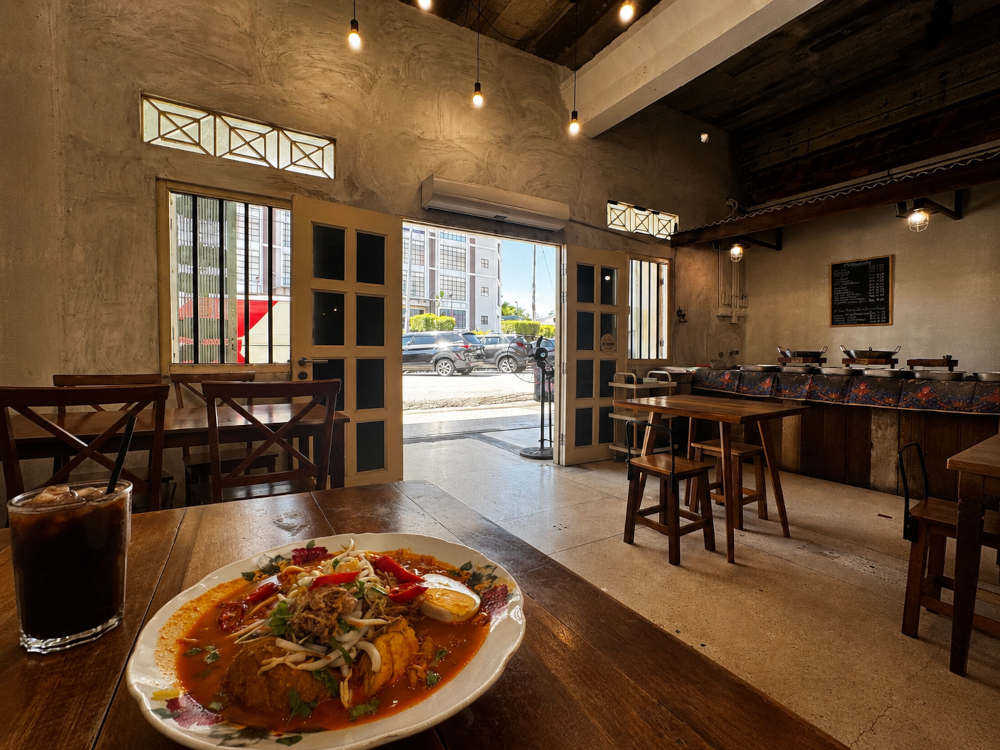
KUALA LUMPUR, May 15 — It is probably not accidental that near the bridge linking The Gardens Mall and Mid Valley Megamall, Hock Kee Heritage Kopitiam now occupies what was once among the busiest branches of Starbucks.
Inside, customers linger over kopi and kaya toast, some chatting in groups while others sit alone with laptops open — scenes once closely associated with international coffee chains.
In Malaysia’s café landscape, the future increasingly appears dressed as the past.
Or at least, a carefully curated version of it.
Across urban shopping malls, kopitiam-style chains such as Oriental Kopi, Nanyang Cafe and Hock Kee Heritage Kopitiam are repackaging an imagined version of old Malaya into a contemporary café experience built around familiarity and nostalgia.
The appeal is familiar: kopi-o, nasi lemak, kaya toast and soft-boiled eggs served beneath retro signboards and nostalgic interiors designed to evoke a simpler, more harmonious Malaysia.
It is nostalgia packaged for the mall era — polished, air-conditioned and carefully curated.
For younger urban Malaysians, many of whom may never have regularly experienced traditional kopitiam culture itself, these chains offer something perhaps more significant than authenticity: the feeling of cultural comfort and familiarity.
A cup of comfort, a plate of warmth

The appeal cuts across race and class.
The spaces are halal-friendly, family-friendly and social media-friendly, blending Chinese kopitiam aesthetics with an idealised multicultural comfort that feels instantly recognisable to many Malaysians.
For 23-year-old Fatima Mohd, the appeal partly comes from accessibility to halal versions of dishes she previously could not easily try elsewhere.
“I’ve always wondered how certain Chinese cuisine tastes like, for example pan mee.
“It’s almost impossible to find halal versions of it, it’s also quite rare to find halal wantan mee or chee cheong fun,” she said.
“What works is that, say there are three of us but only one of us wants to have pan mee, so this kopitiam-style restaurant becomes my go-to because my two friends can pick something else from the menu.”
Others point to practicality and convenience.
Genevieve Lim, 28, said modern kopitiam chains combine local food with the practical comforts younger consumers increasingly expect from contemporary cafés.
“We can’t deny that air-conditioning in a restaurant is important these days, and some days I just want to eat my curry noodles without sweating a bucket and finish up with a glass of yin yong or cham bing,” she said, referring to the local coffee-and-tea beverage mix.
“Then if I’m still hungry I’d help myself to pastries like egg tarts.”
For M Thanusha, 25, the attraction lies in the distinctly local taste profile itself.
“The taste of single-origin coffee beans and local coffee beans is very different and there are just days that I crave a glass of iced kopi-o,” she said.
“You can add sugar into local coffee but you can’t achieve the same effect with an iced long black. Similarly between kaya toast and sourdough toast served with kaya, it’s not the same kind of satisfaction.”
Lo Fern Fung, 42, said the growing popularity of such cafés also reflects frustration with menus dominated by Western-style brunch culture.
“For me it’s the food variety that isn’t just pasta or fusion non-Malaysian cuisine,” she said.
“You can’t usually get kuey teow soup at a café, or steamed chicken rice, and the taste of tea with condensed milk. At the same time, I still want the convenience of a clean dining experience where I can do some work on the side — a plug point would be a plus point.”
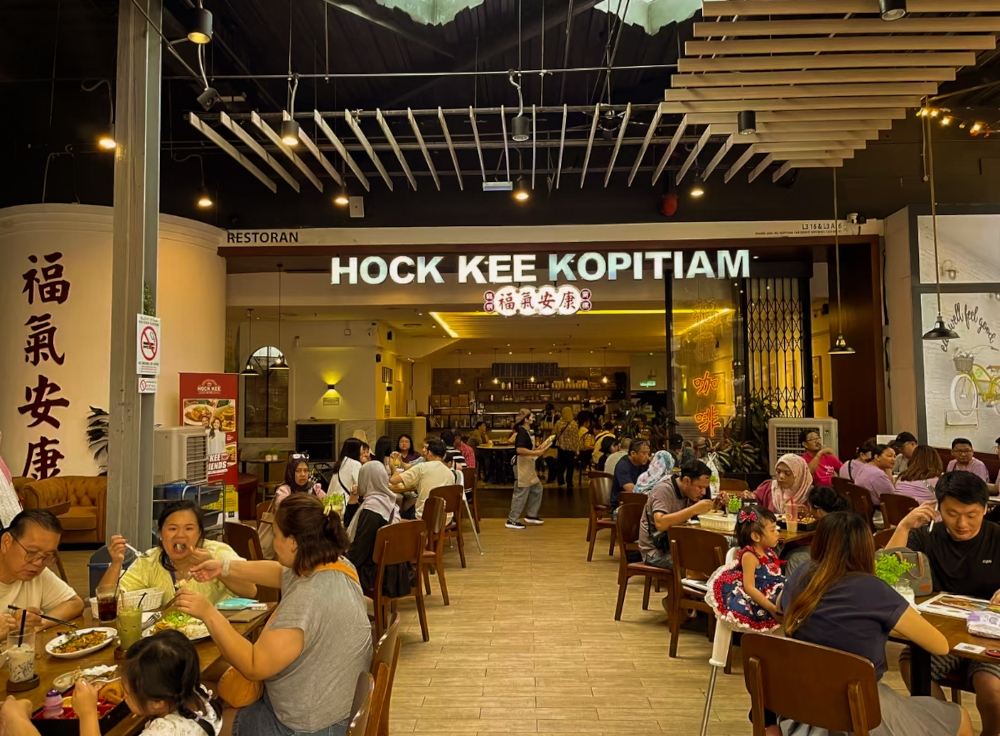
For Hoo Li Lian, 37, the atmosphere itself matters just as much as the food.
“I think it’s the welcoming warm feeling that I like about these kopitiams,” he said.
“Believe it or not, I can’t shake that feeling of judgy eyes when I walk into certain cafés.
“It’s just something I noticed, I could be wrong. But at kopitiams, there are more families, and it’s this setting that makes me feel more comfortable when I’m eating.
“No one judges how you take your coffee or tea, or if you can’t pronounce the food item you wish to order.
“The menu is simple, there are no foreign names,” Hoo said.
The kind of ‘kopitiam’ today
One of the most recognisable names in Malaysia’s modern kopitiam revival is Oriental Kopi, founded in Johor shortly before the Covid-19 pandemic hit Malaysia by Datuk Calvin Chan Jian Chern and a few friends.
Speaking to Malay Mail, Chan said the idea initially came from wanting to serve Malaysian food to friends returning from abroad.
“Malaysian cuisine is difficult to find overseas,” he said, adding that he never expected the scale of its expansion to date.
But Chan said the ambition eventually grew beyond simply opening a coffee shop.
His goal, he said, was to create a “name” that could represent Malaysian food internationally — one reason the company prioritised halal certification as part of its expansion plans.
He said he wanted Oriental Kopi to become a place where local food could be enjoyed comfortably by Malaysians of all ethnic backgrounds.
Even the brand’s name, Chan explained, was tied to memory.
While “Oriental Kopi” may sound stylised or even slightly pretentious to some, Chan said the idea behind it came from older generations of Malaysians whose mornings often began with a cup of local kopi before heading out to work.
He said the image was partly inspired by memories of his father, who once worked as a rubber tapper.
“A cup of local coffee was their energy before starting the day,” he said.
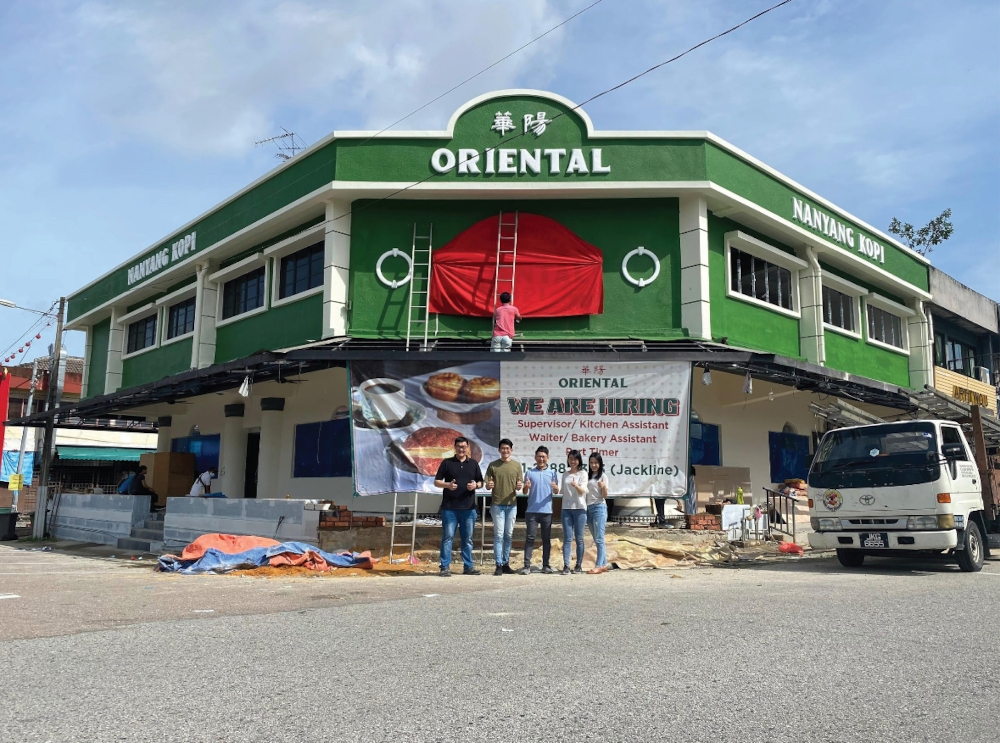
Today, all Oriental Kopi outlets have halal certification.
“I never expected to expand to what it is today, we started the kopitiam with just five of us friends.
“Later, it was through word of mouth that Oriental Kopi became known, and where there are outlets today was based on demand from customers and I’m deeply moved by the support it has gained today,” Chan said, adding that this included its outlets at Kuala Lumpur International Airport Terminal 2.
According to Chan, Oriental Kopi differentiates itself by preparing food fresh at individual outlets instead of relying on pre-prepared meals.
“If anyone compares our food, one thing that stands out is that we don’t serve preheated food.
“Each outlet has its own trained chef handling the cooking,” he said.
Six years after the company’s founding, Chan said the business is still continuously refining its menu, sourcing and service standards amid rising operating costs.
“I’m not afraid to admit that we are still focused on research and development of our menu, service and sourcing the best ingredients while coping with rising costs,” he said.
What else is out there
The nostalgia trend also extends beyond large kopitiam chains.
At cafés such as Tingkap in PJ Old Town, traditional dishes such as ubi rebus, mee kari, lontong, nasi ambeng and nasi dagang are served alongside local coffee and kuih within spaces styled around old Malaysian aesthetics, complete with wooden furniture, vintage décor and P. Ramlee classics playing in the background.
The result is less a traditional kopitiam than a carefully curated cultural experience built around memory, familiarity and local food heritage.
Even international and modern café brands appear to have noticed the shift.
Drinks inspired by local flavours — from kopi susu variations to apam balik-themed frappes — are increasingly appearing on menus once dominated by Western-style coffee culture, as companies compete to localise familiarity and nostalgia into commercially viable products.
Malaysia had experienced commercial kopitiam booms before, most notably through OldTown White Coffee in the 2000s.
But the newer generation of chains appears more deliberately aesthetic-driven, turning nostalgia itself into part of the dining experience.
Some observers see the boom as savvy branding or broader corporate expansion plays, but the trend also reflects how deeply marketable nostalgia has become in modern Malaysia.
After all, the version of Malaysia these cafés sell is not necessarily the complicated one outside their walls — marked by periodic political, racial and religious tensions — but a softer, stylised vision of the country where everyone gathers over tea, toast and condensed milk coffee.
In some ways, it resembles the Malaysia long romanticised in festive advertisements and films: warm, multicultural, emotionally familiar and comfortably uncomplicated.
A kind of Yasmin Ahmad vision of Malaysia, served with butter kaya toast and kopi-o.
Date: 15 May, 2026 8:00 am
Source: Malay Mail
💬 Join the Conversation! 💬
We’ve disabled comments on our posts and pages to keep the discussions organized and lively! But don’t worry – the conversation isn’t over. Head over to our forum and share your thoughts, ideas, and feedback with the community! It’s the perfect place to connect, learn, and engage with others who care about the same things. We can’t wait to hear from you!