
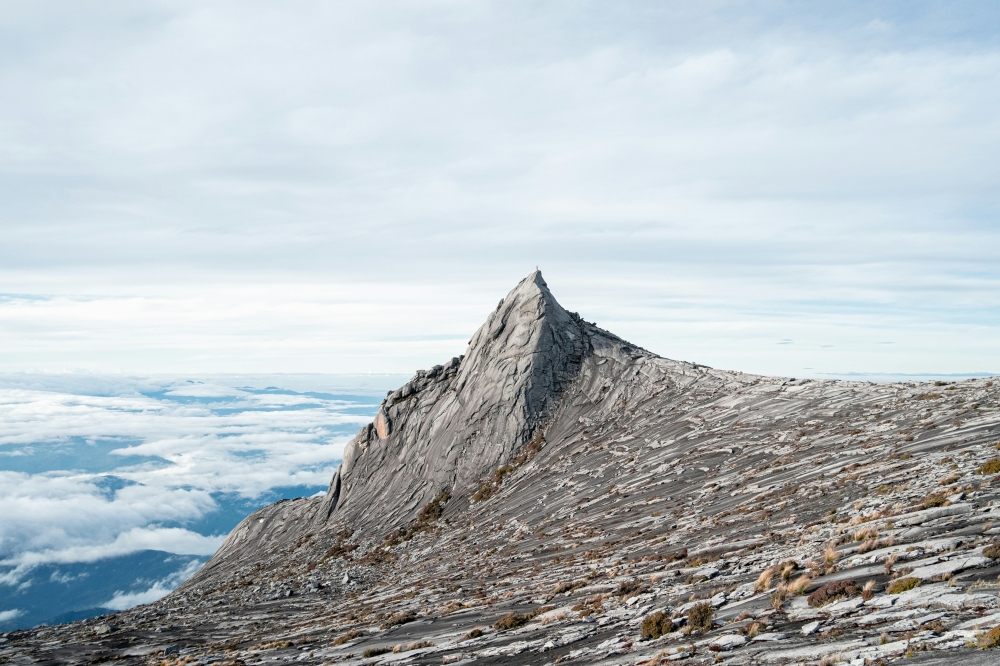
KOTA KINABALU, Nov 3 — The ongoing construction of a high-altitude training centre on Mount Kinabalu has come under scrutiny, with indigenous groups and tourism stakeholders questioning its environmental impact, approvals and whether communities with customary ties to the mountain were adequately consulted.
The controversy surfaced around October 30 after photographs showing structures and apparent drilling activities near Sayat-Sayat circulated on social media, prompting calls for authorities to clarify the nature and purpose of the work.
The photographs prompted criticism over a lack of transparency, including from Kundasang Tourism and Culture Association chairman Datuk Japiril Suhaimin, who called for an investigation into the project’s location, scope and approvals, as well as its potential effects on water sources, soil stability and biodiversity.
Bundu Tuhan Village Heritage and Culture head Adrian Soros also questioned whether communities with customary ties to the mountain had been consulted, saying many villagers were unaware of the construction.
He raised concerns about drilling into the mountain, which he said went against customary beliefs, as well as the protection of local water sources and the management of human waste at high altitude.
Tourism, Culture and Environment Minister Datuk Jafry Ariffin subsequently issued a statement saying the project was not new and had originally been proposed under the Kinabalu Park Development Plan in 2015.
He said the project had obtained approval from the Sabah Parks Board of Trustees and endorsement from the Mount Kinabalu Native Customary Advisory Council.
“The HATC was originally proposed under the Kinabalu Park Development Plan in 2015, but its implementation was deferred following the earthquake that struck Mount Kinabalu that year.
“The initiative was subsequently revived and officially launched in 2025 as part of Sabah’s efforts to diversify its tourism offerings and strengthen its position as an internationally recognised mountaineering destination,” he said.
The new development would provide basic accommodation and specialised facilities to support high-altitude training and mountaineering activities.
Jafry said the centre was intended to cater to mountaineers preparing for expeditions to higher-altitude destinations, including Mount Kilimanjaro, Aconcagua and Mount Everest, by providing facilities for altitude acclimatisation, technical training and familiarisation with specialised climbing equipment.
He said construction involved lightweight, prefabricated and modular building materials to minimise environmental disturbance, with the structures designed to withstand strong winds and challenging weather conditions at higher elevations.
The construction method also avoided the use of heavy machinery in view of the mountain’s sensitive natural environment.
Jafry said the project’s approval and implementation must respect Mount Kinabalu’s cultural and spiritual significance to indigenous communities, as reflected in the involvement of the Native Customary Advisory Council.
The minister nevertheless emphasised that the approval did not exempt the project from complying with stipulated conditions, technical specifications and environmental regulations.
“We take the concerns raised by the public seriously. The ministry will consider a comprehensive investigation to ascertain whether all approved specifications, environmental safeguards and regulatory conditions have been fully observed.
“Should any non-compliance be established, the ministry will not hesitate to pursue the necessary enforcement measures in accordance with the law,” he said.
However, despite his statement, the Dayak International Organisation (DIO) today called for all construction, drilling and installation work at the site to stop, alleging that the development violated indigenous customary law protected under the United Nations Declaration on the Rights of Indigenous Peoples (UNDRIP).
Its United Nations representative, Datuk Petinggi Andrew Ambrose Atama Katama, questioned the use of the Mount Kinabalu Native Customary Advisory Council to endorse the project, saying this did not replace the need for consent from communities, particularly the Kadazandusun and Momogun.
Andrew described Aki Nabalu as a sacred living entity and ancestral repository rather than a commercial asset for generating state revenue.
DIO also called for an independent environmental audit, including an assessment of wastewater impact on local water catchments, and said it would raise the matter at the United Nations Permanent Forum on Indigenous Issues and the Unesco Global Geoparks Network.
Mount Kinabalu, also known as Aki Nabalu, is Sabah’s highest peak at 4,095 metres and holds deep cultural and spiritual significance for indigenous communities, particularly the Kadazandusun.
Every year, locals hold sacred rituals to honour the mountain spirits, seek permission and protection, and ensure the safety and well-being of climbers.
Kinabalu Park was inscribed as a Unesco World Heritage Site in 2000 for its exceptional biodiversity, including thousands of plant species and a wide range of habitats.
Date: 3 November, 2026 5:29 pm
Source: Malay Mail
💬 Join the Conversation! 💬
We’ve disabled comments on our posts and pages to keep the discussions organized and lively! But don’t worry – the conversation isn’t over. Head over to our forum and share your thoughts, ideas, and feedback with the community! It’s the perfect place to connect, learn, and engage with others who care about the same things. We can’t wait to hear from you!