
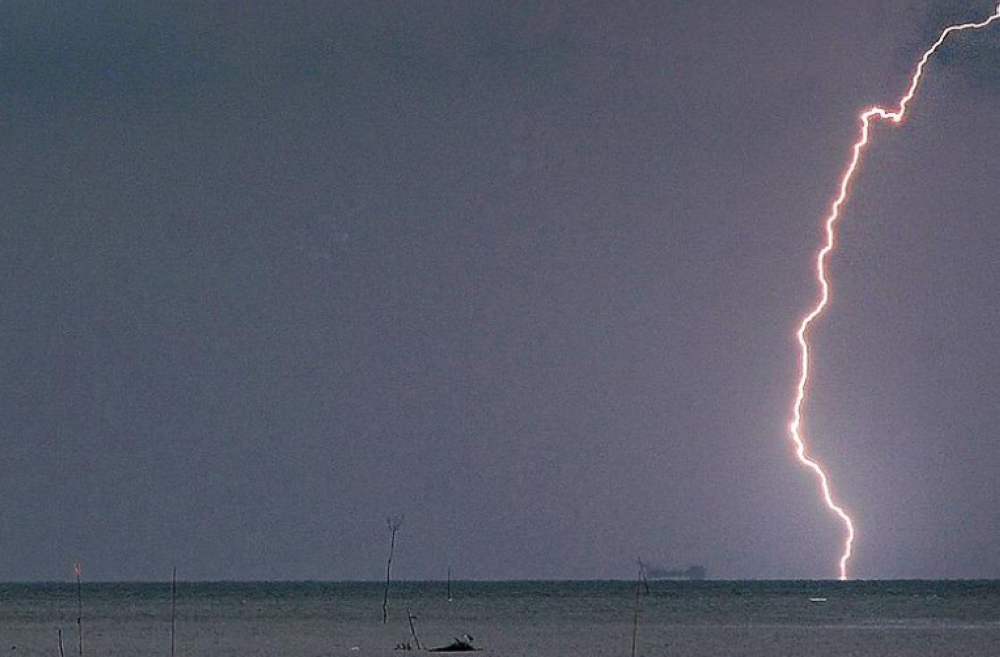
KUALA LUMPUR, Aug 3 — Two recent deaths from lightning strikes in Malaysia and neighbouring Singapore have served as stark reminders of how quickly thunderstorms can become dangerous and of the importance of taking the right precautions.
Victims of bad weather
Earlier this month, 28-year-old footballer R. Thanesh died after he was believed to have been struck by lightning during a friendly match at the Rakan Muda Lendu Complex in Alor Gajah, Melaka.
A referee was also injured in the incident.
Days later, a 24-year-old Singaporean man died after he was reportedly struck by lightning while kayaking and paddleboarding with a group off Pasir Ris Beach.
Seven others were hospitalised after being affected by the electrical current travelling through the water.
The back-to-back tragedies have renewed attention on lightning safety, particularly as many people still believe they are safe outdoors as long as it is only drizzling or until heavy rain begins.
Dangerous assumptions
Meteorological Department (MetMalaysia) director-general Mohd Hisham Mohd Anip said these assumptions continue to place people at unnecessary risk.
“One of the common misconceptions among the public is that lightning and thunderstorms are separate weather phenomena,” he told Malay Mail.
“Another inaccurate belief is that lightning is only dangerous during heavy rain.”
He explained that lightning can occur even during light drizzle or strike up to 16 kilometres away from the centre of a thunderstorm.
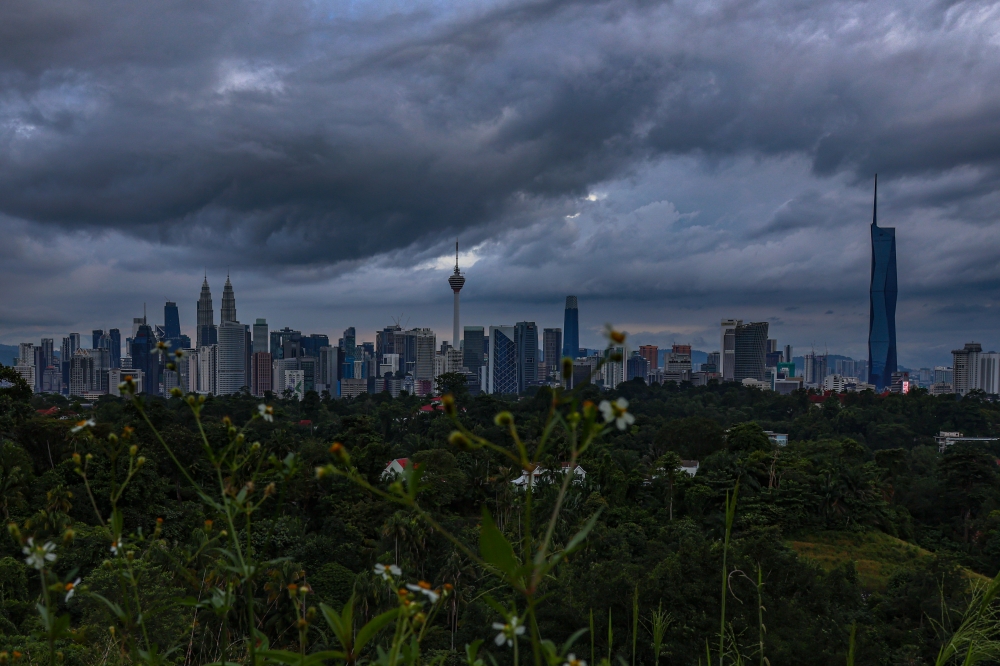
“Once thick cumulonimbus clouds begin to form and thunder can be heard, people are already within an area at risk of being struck by lightning and should immediately seek shelter,” he said.
Malaysia’s tropical climate means thunderstorms can occur throughout the year.
While they are more common during the inter-monsoon periods in April and May as well as October and November, they can still develop during the Southwest Monsoon despite generally hotter and drier conditions.
Here are some of the biggest myths surrounding lightning — and what Hisham says Malaysians should know instead.
Myth 1: It’s safe to stay outside until it starts pouring
Many people wait until heavy rain begins before looking for shelter, believing they still have time while it is only drizzling.
Hisham said that is one of the most dangerous mistakes people can make because lightning often strikes well before the heaviest rain arrives.
The sound of thunder should also never be ignored.
“Lightning can occur even during light drizzle or outside the rain area up to 16 kilometres from the centre of a thunderstorm,” he said.
“If thick cumulonimbus clouds begin to develop and thunder can already be heard, people are already within an area at risk and need to seek shelter immediately,” he added.
Myth 2: I can finish my football match, hike or outdoor work before taking cover
Whether playing sports, hiking, working outdoors or riding a motorcycle, Hisham said people should stop immediately once thunderstorms approach or thunder is heard.
“People who are playing sports, hiking or working outdoors should stop their activities immediately if a thunderstorm is approaching or thunder can be heard. They should seek shelter inside a sturdy building or an enclosed vehicle,” he said.
He added that motorcyclists should not assume they are safe.
“Motorcyclists are also not exempt from being struck by lightning, and there have been several fatal cases involving riders,” he said.
He also advised the public to avoid hilltops or open fields.
Myth 3: Trees, gazebos and bus stops provide shelter
When rain starts falling, many people instinctively run beneath the nearest tree or into an open gazebo.
Hisham said these are among the most dangerous places to be.
“Tall and isolated trees are more likely to be struck by lightning, with electricity capable of travelling down the trunk, through the roots and across the ground to anyone standing nearby,” Hisham explained.
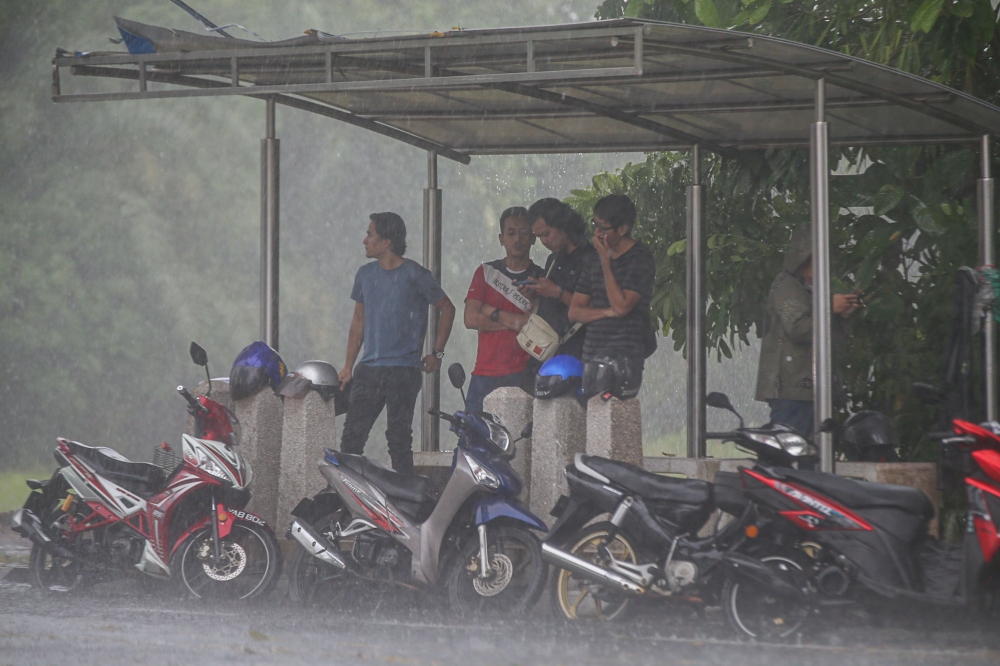
Likewise, gazebos, rest huts and bus stops without enclosed walls do not provide adequate protection from lightning.
Open spaces such as football pitches, golf courses and other fields also leave people exposed because they may become the tallest object in the area.
“People should also stay away from fences, utility poles, cables and other metal objects, while anyone swimming or taking part in activities at rivers, lakes, beaches or at sea should leave the water immediately and seek proper shelter,” he added.
Myth 4: Cars are safe because of their rubber tyres
An enclosed vehicle is one of the safest places to be during a thunderstorm, although not for the reason many people think.
“The protection is not because of the rubber tyres, the vehicle’s metal frame helps channel the electrical current from a lightning strike safely to the ground without passing through the passenger compartment,” Hisham explained.
He advised motorists to keep all windows closed and avoid touching metal parts or the vehicle’s electrical systems until the thunderstorm has completely passed.
Myth 5: Thunderstorms only happen during the rainy season
Malaysia’s tropical climate means thunderstorms can occur at any time of the year.
Hisham said recent afternoon thunderstorms were caused by temporary changes in wind patterns and increased moisture, even though the country is currently experiencing the Southwest Monsoon.
Hot, sunny weather should never be taken as a sign that thunderstorms cannot develop later in the day.
For those wondering why thunderstorm warnings often appear only shortly before bad weather arrives, Hisham explained that thunderstorms develop very quickly.
“Based on current technology, thunderstorm warnings cannot be issued too early because these storms develop rapidly within one to two hours and usually affect relatively small areas of between one and 10 kilometres,” he said.
Lightning in every season
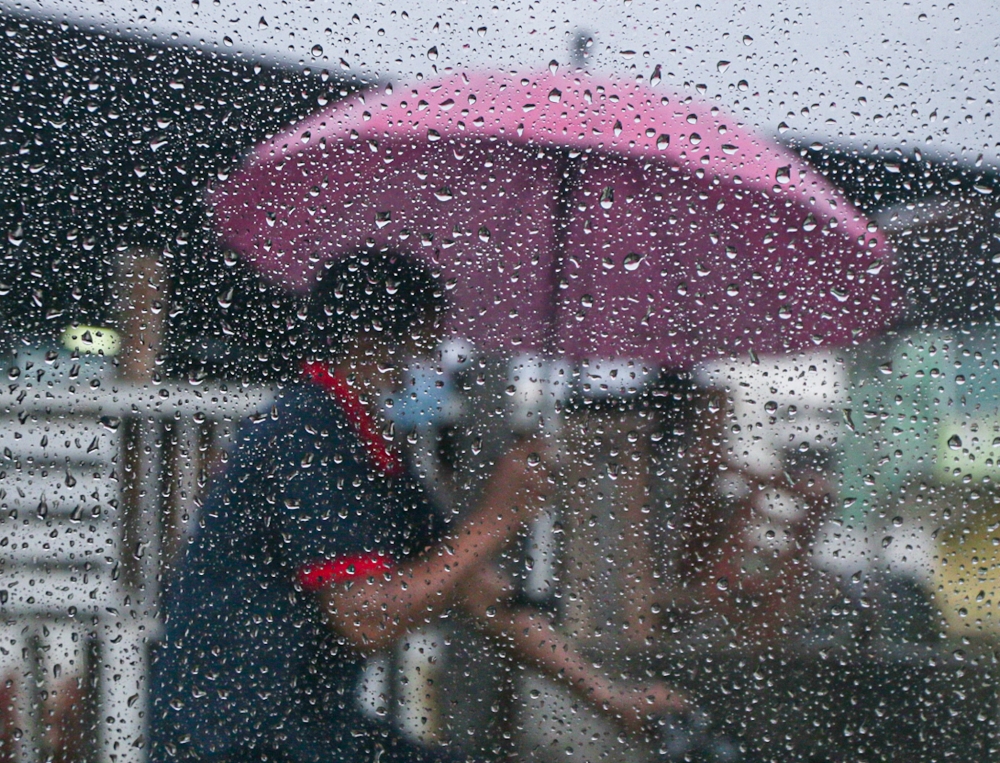
Even during the Southwest Monsoon — which is generally associated with hotter and drier weather — thunderstorms can still develop when wind patterns change and moist air moves into the country.
In other words, a sunny morning offers no guarantee that dangerous storms will not develop later in the afternoon.
The advice, he said, is ultimately straightforward: once thunder is heard or towering storm clouds begin to build overhead, stop outdoor activities immediately and seek shelter inside a sturdy building or an enclosed vehicle.
Waiting for heavy rain could mean waiting too long.
He also encouraged the public to stay updated through MetMalaysia’s website (http://www.met.gov.my), the myCuaca mobile application and the department’s official social media channels, as thunderstorms often develop rapidly and weather warnings may only be issued shortly before conditions deteriorate.
For more information, advice or weather-related queries, call the MetMalaysia Hotline at 1-300-22-1638 or follow MetMalaysia on X, Facebook, Instagram and YouTube.
Date: 3 August, 2026 8:00 am
Source: Malay Mail
💬 Join the Conversation! 💬
We’ve disabled comments on our posts and pages to keep the discussions organized and lively! But don’t worry – the conversation isn’t over. Head over to our forum and share your thoughts, ideas, and feedback with the community! It’s the perfect place to connect, learn, and engage with others who care about the same things. We can’t wait to hear from you!