
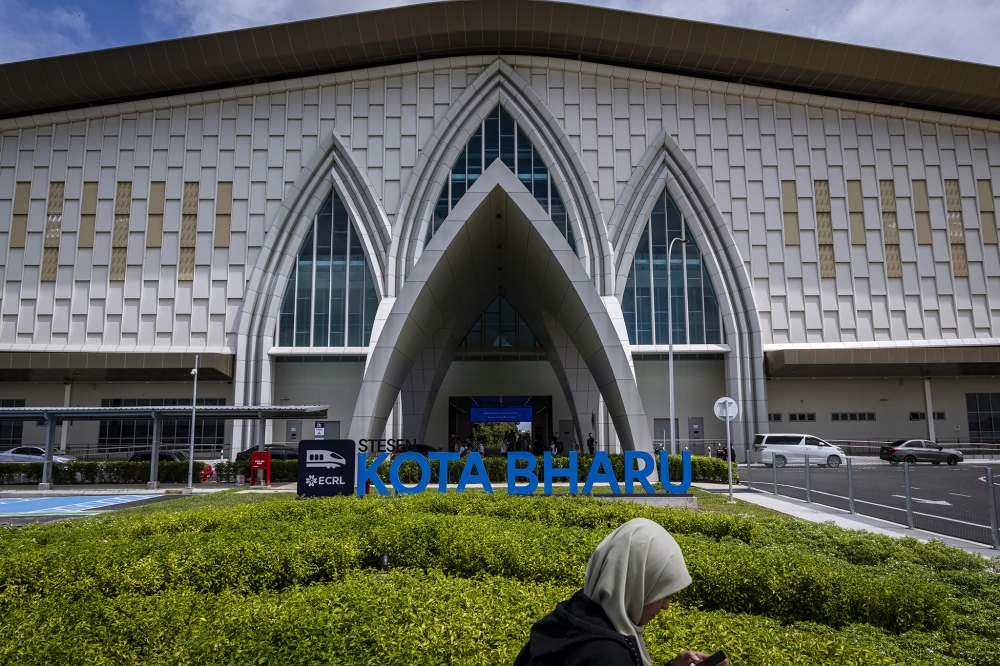
KUALA LUMPUR, Nov 17 — As trial operations accelerate ahead of commercial passenger services next month, four flagship terminals along the East Coast Rail Link (ECRL) are turning routine train stops into striking architectural tributes to regional culture and local geography.
Master planner Malaysia Rail Link Sdn Bhd (MRL) is conducting final trial runs across the rail corridor ahead of the planned commercial rollout on December 12.
Rather than relying on generic, utilitarian station boxes, the four major hubs of Terminal Bersepadu Gombak (ITT Gombak), KotaSAS in Pahang, Kuala Terengganu, and Kota Bharu in Kelantan showcase distinctive architectural language that celebrate the craftsmanship, folklore, and natural landmarks of their respective states.
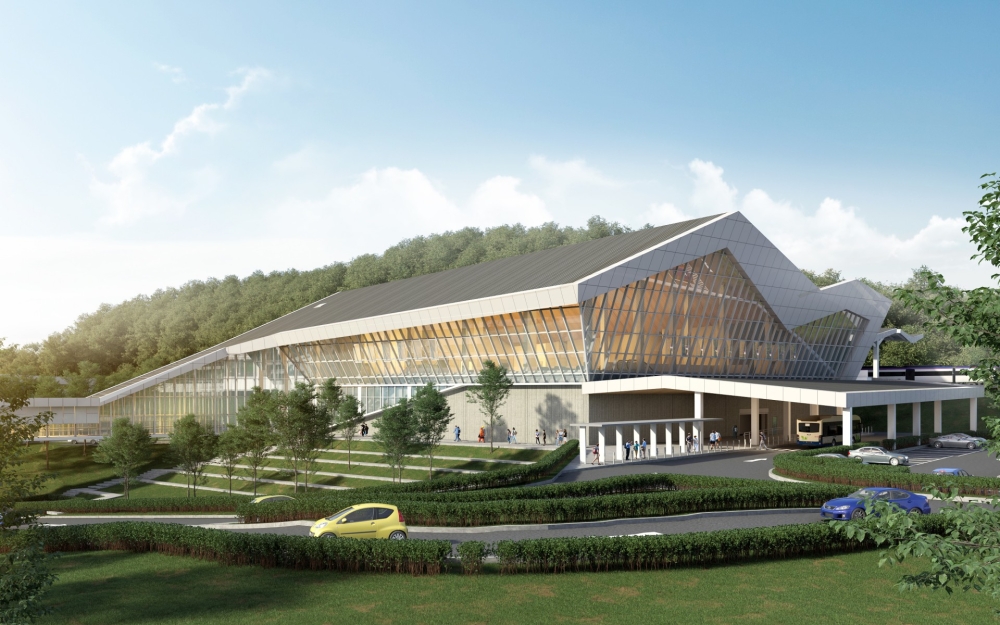
At the western gateway, ITT Gombak takes its design cues from the nearby Gombak Selangor Quartz Ridge, previously known as the Klang Gates Quartz Ridge.
Stretching over 14 kilometres in length and 200 metres in width, the world’s longest quartz dyke serves as both a panoramic backdrop visible from arriving trains and the conceptual foundation for the station’s crystalline silhouette.
Mirroring the sharp geometry of cleaved quartz crystal, the terminal features a dynamic, weather-responsive reflective glass façade that shifts tones under changing light conditions.
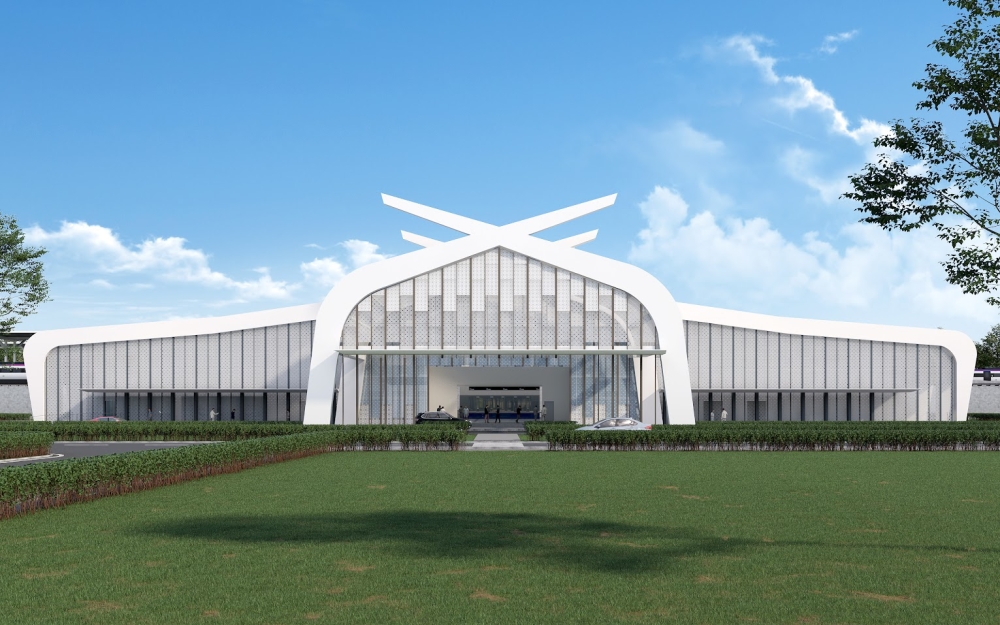
Crossing the Titiwangsa Range into Pahang, the KotaSAS station in Kuantan draws inspiration from the crossed elephant tusks that anchor the state’s official coat of arms, a motif prominently cast into its sweeping roofline.
The design honours Pahang’s historical wild herds of Asian elephants, evoking their traditional significance in royal processions, ancient statecraft, and battle as enduring symbols of martial valour.
Complementing the sculptural roof, the entire exterior is coated in pristine white, mirroring the natural ivory tones of the heraldic emblem.
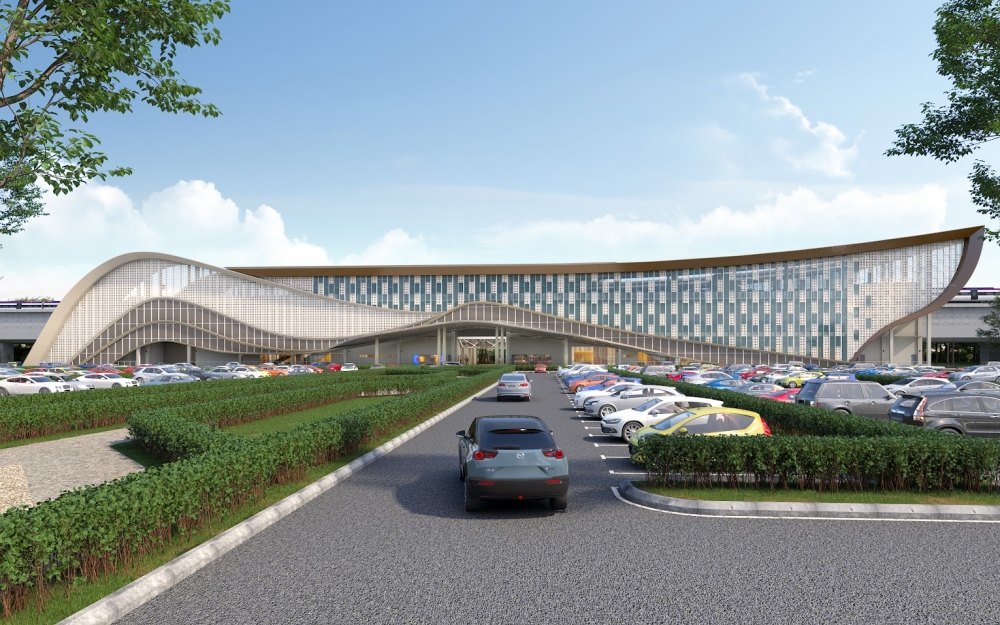
Further north along the eastern coast, the Kuala Terengganu station celebrates the state’s maritime lineage and world-renowned boat-building heritage through undulating roof profiles that evoke rolling ocean swells and wooden hulls.
The main façade draws direct inspiration from the perahu payang, the majestic traditional wooden vessel named after the pukat payang fishing net that long sustained coastal fishing communities.
By translating these seafaring contours into structural steel, the station pays homage to centuries of coastal seafaring culture.
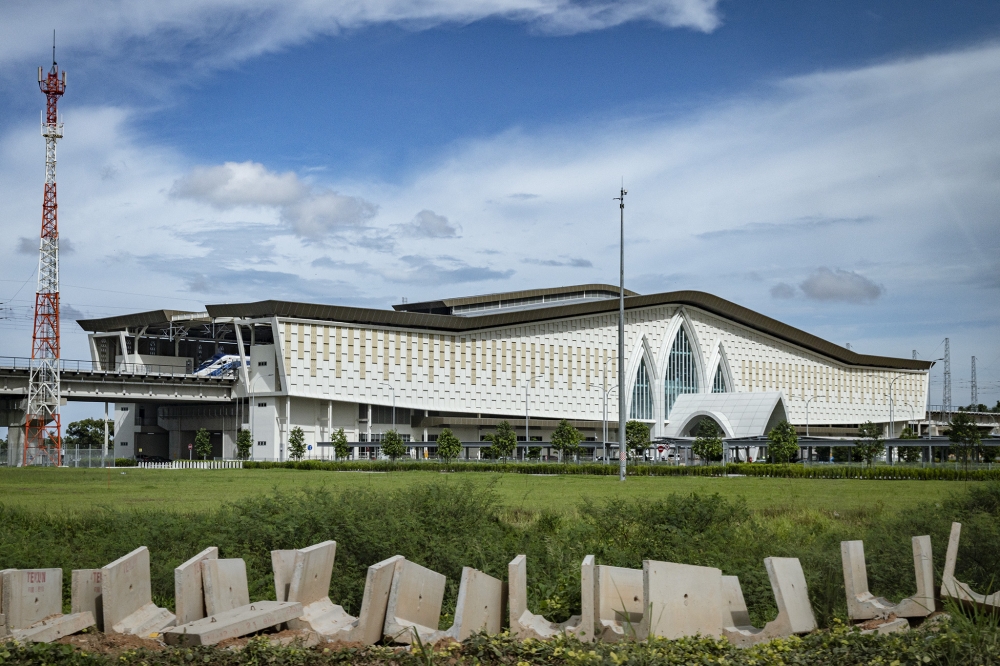
At the northern terminus in Kelantan, the Kota Bharu station presents a contemporary interpretation of classical Malay palace architecture, incorporating elements reminiscent of Istana Jahar and the Islamic Museum.The exterior face prominently adapts the intricate janda berhias motif, an elaborate geometric wood-carving pattern that literally translates to “adorned widow”, historically reserved for royal residences and aristocratic manors.
The terminal’s grand entrance archway incorporates the pemeleh, the carved decorative timber panels traditionally fixed to the gables of classical Kelantanese timber houses.
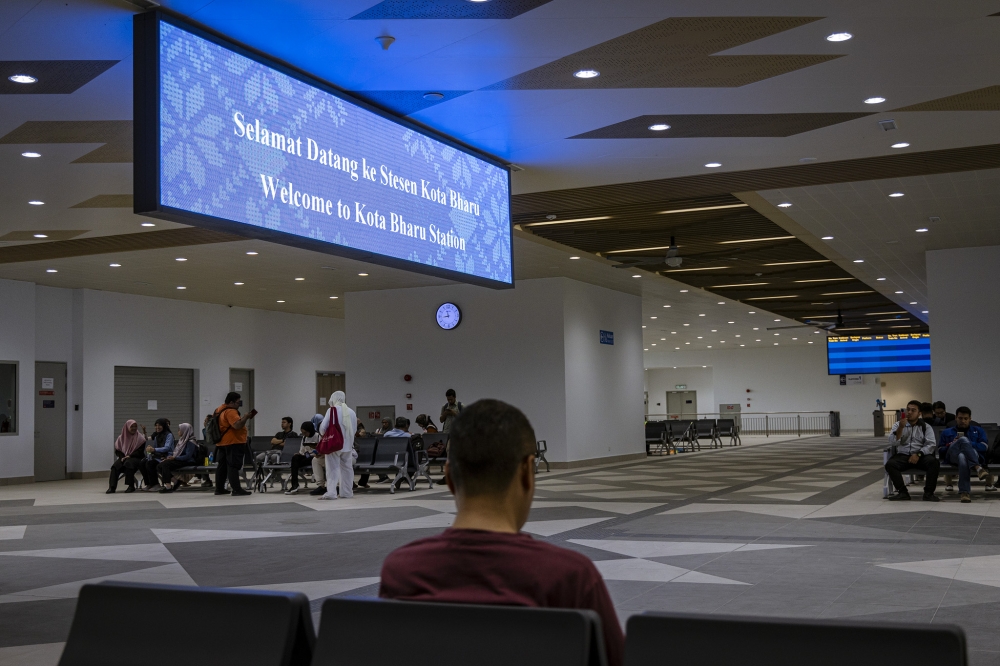
Crowned above, the roof incorporates the ekor itik, or ducktail, an upward-curving ornamental feature historically linked to royalty and nobility. Inside the main concourse, the botanical ketam guri motif is rendered across perforated acoustic panels, floor tiling, and ceilings, scaling the delicate visual geometry of Kelantanese batik into a grand modern transport hub.
Date: 17 November, 2026 7:30 am
Source: Malay Mail
💬 Join the Conversation! 💬
We’ve disabled comments on our posts and pages to keep the discussions organized and lively! But don’t worry – the conversation isn’t over. Head over to our forum and share your thoughts, ideas, and feedback with the community! It’s the perfect place to connect, learn, and engage with others who care about the same things. We can’t wait to hear from you!