
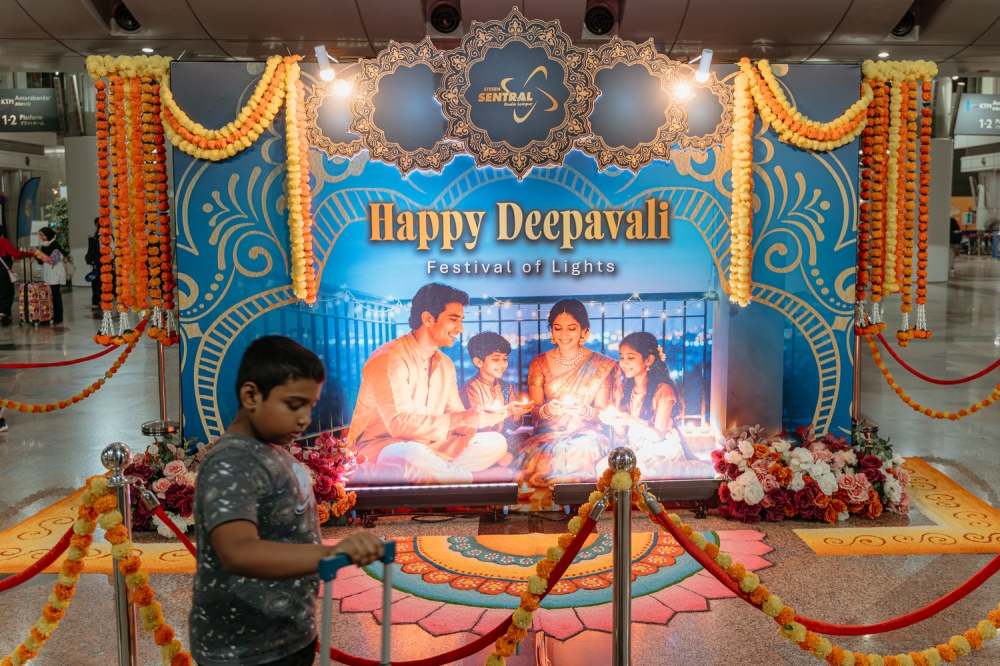
KUALA LUMPUR, Nov 7 — As Malaysians prepare to celebrate Deepavali tomorrow, a linguistic debate about the Festival of Lights still lingers: is it Deepavali or Diwali?
Though it may come as a surprise to many, there is only one proper term for the festival — and it is actually Deepavali for both the North and South Indian traditions.
Malay Mail explains how the name came about and what the festival truly entails:
What does Deepavali celebrate?
Deepavali is traditionally observed on Naraka Chaturdasi, the fourteenth lunar day of the waning moon in the Aippasi month of the Tamil calendar, according to Malaysia Hindu Sangam president Genesan Thangavellu.
Genesan said Deepavali marks the triumph of Lord Krishna and his consort Satyabhama over the demon Narakasura, symbolising the victory of righteousness over evil and the removal of ignorance.
In North Indian traditions, Deepavali also marks the homecoming of Lord Rama and his queen Sita to Ayodhya after defeating the demon Ravana and completing their 14-year exile.
Goddess Lakshmi is also worshipped on this day to seek wealth and prosperity.
New Year for Gujaratis
Interestingly, Deepavali also marks the end of the Gujarati calendar, with the community celebrating the Gujarati New Year, or Bestu Varas, the very next day, according to Shree Lakshmi Narayan Mandir president Rajesh Kamani.
Rajesh said the celebrations begin two days before Deepavali with a prayer to Goddess Lakshmi on Dhanteras, when devotees also purchase gold or silver to welcome growth and prosperity into their households.
On New Year morning, Gujaratis also buy salt to welcome good luck, as salt is called sabras in the Gujarati language, which means “all things good”.
Those running businesses also worship their new account books along with Goddess Lakshmi and Lord Ganesha in a ceremony called Chopda Pujan.
“We write shubh labh (or auspicious gains in Gujarati) and draw a swastik on the first page, which basically opens the new financial year,” Rajesh explained.
Why are there two names for the same festival?
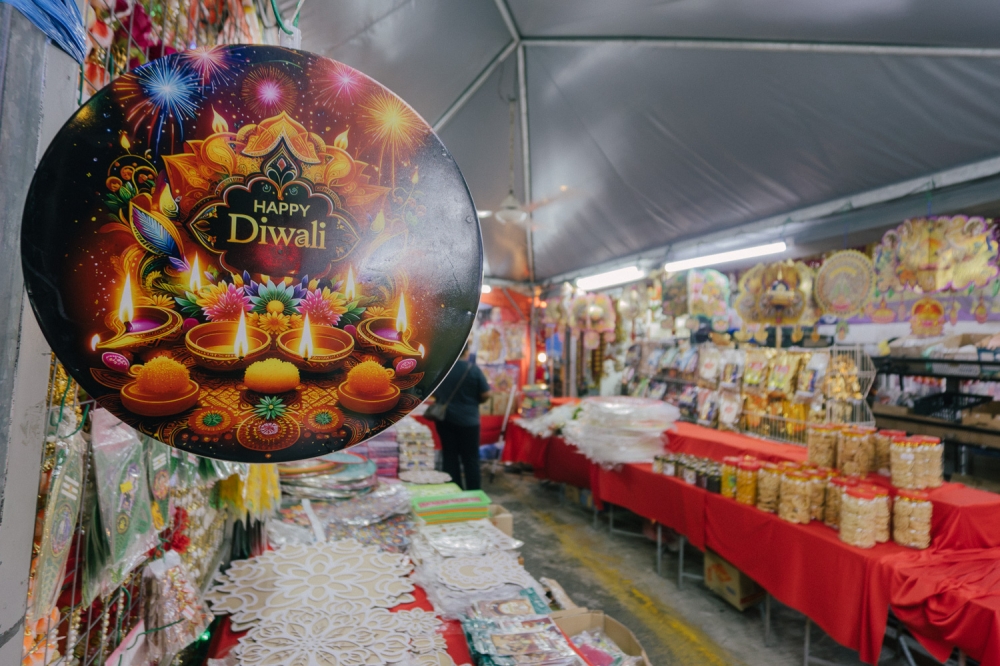
The term Deepavali is more prominent in South Indian traditions, while Diwali is more synonymous with North Indian ethnic groups.
However, Shree Lakshmi Narayan Mandir vice-president Anil Sharma said Deepavali is the most apt term as the festival derives its name from the Sanskrit word Dipavali.
In Sanskrit, Dipavali means a row of lights, as dipa refers to a lamp, while avali means a row or line.
“The proper term is still Deepavali although it has been abbreviated into Diwali mainly in the north,” Anil said.
Similarly, Genesan said using Deepavali would be more appropriate since the term is formally recognised in the First Schedule of the Holidays Act 1951.
How do celebrations differ between South and North India?
Although both names refer to the Festival of Lights, the duration and customs of celebrations can differ by region and community.
In parts of South India, Deepavali is observed mainly over one day, and Anil said the day begins early in the morning with a traditional oil bath, known as ennai kuliyal or ganga snanam.
This is followed by prayers, donning new clothes and seeking blessings from elders.
“Families prepare traditional sweets and savouries, decorate their homes with kolam, light oil lamps and visit temples to offer prayers,” he said.
Meanwhile, Deepavali celebrations span five days in North Indian traditions, according to Anil.
The first day, Dhanteras, is associated with worship and the purchase of items such as gold, silver or new utensils by some families as symbols of prosperity and good fortune.
On the second day, Naraka Chaturdashi, also known as Choti Diwali, Hindus in the north perform the Kali Chaudas prayer to Goddess Kali to dispel fear, suffering and negative energy.
The main Deepavali day is marked by prayers to Goddess Lakshmi, who is associated with wealth and prosperity, and the lighting of lamps.
Anil said Deepavali also commemorates the homecoming of Lord Rama and Goddess Sita to Ayodhya.
The fourth day is associated with Govardhan Puja, which recalls the story of Lord Krishna lifting Govardhan Hill to protect villagers from torrential rain.
According to Rajesh, temples prepare the annakut, literally a mountain of food comprising dozens of dishes, to be offered to Lord Krishna on this day.
Deepavali celebrations in the north culminate with Bhai Dooj or Bhai Tikka on the fifth day, celebrating the enduring bonds between siblings through the story of Lord Yama and his sister Yamuna.
“On this day, sisters apply a ceremonial tikka (made from red vermilion powder) on their brothers’ foreheads and pray for their happiness, health and longevity.
“The brothers provide gifts and promise lifelong care for their sisters,” Anil explained.
So, while Happy Diwali is still an acceptable greeting for the Festival of Lights, Happy Deepavali remains the more apt term across the board.
Date: 7 November, 2026 7:30 am
Source: Malay Mail
💬 Join the Conversation! 💬
We’ve disabled comments on our posts and pages to keep the discussions organized and lively! But don’t worry – the conversation isn’t over. Head over to our forum and share your thoughts, ideas, and feedback with the community! It’s the perfect place to connect, learn, and engage with others who care about the same things. We can’t wait to hear from you!