
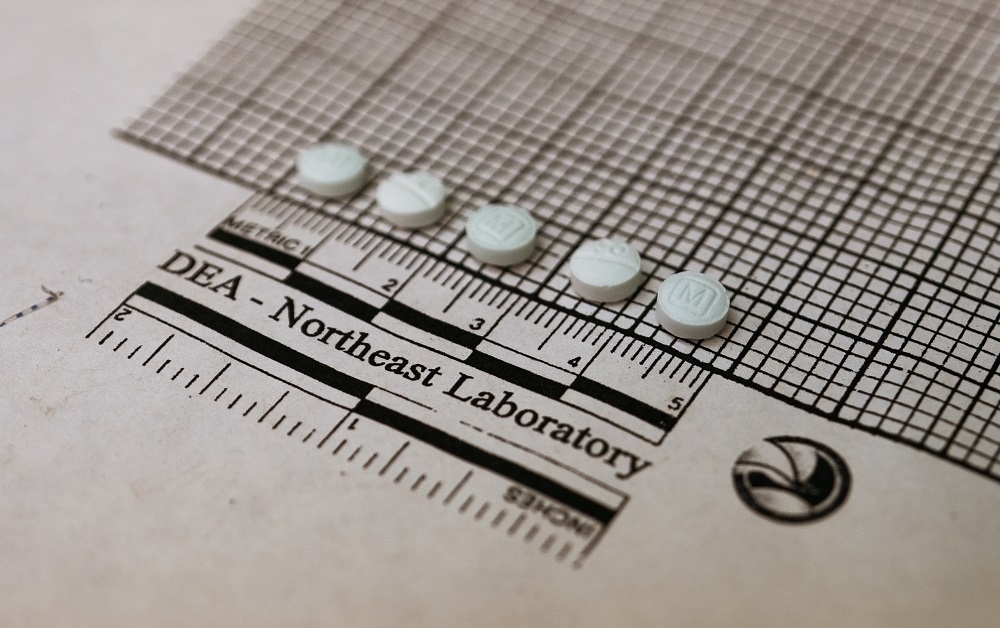
KUALA LUMPUR, June 2 — The National Anti-Drug Agency (Nada) has announced that it will begin deploying specialised testing kits nationwide this month, targeting fentanyl and synthetic cannabinoids.
Nada director-general Datuk Ruslin Jusoh noted that many users locally believe they are consuming psilocybin — the compound found in so-called magic mushrooms — when they are actually inhaling synthetic cannabinoids.
The two are not the same, and the health consequences differ significantly. Here is what they are and what they do.
Firstly, what is fentanyl?
Fentanyl is a synthetic opioid — meaning it is made entirely in a laboratory — originally developed for medical use in treating severe or chronic pain, typically in cancer patients or post-surgery cases.
According to the US Centers for Disease Control and Prevention (CDC), it is 50 to 100 times more potent than morphine.
Fentanyl comes in two forms. The first is pharmaceutical fentanyl, prescribed by doctors to treat the aforementioned conditions.
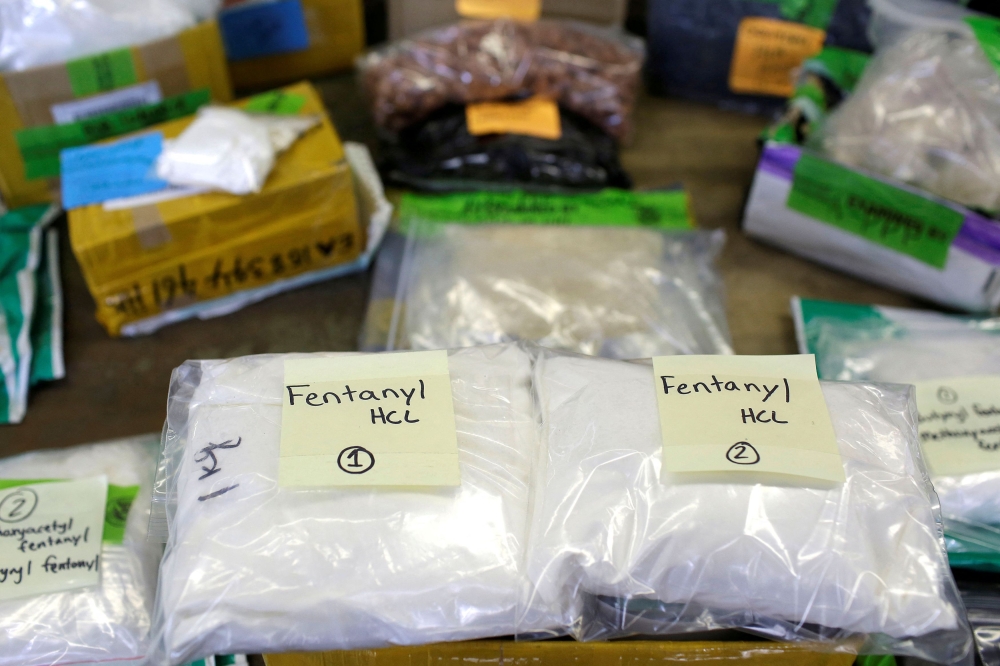
The second is illegally manufactured fentanyl, which is where the danger lies. Most overdose cases today involve the illegal variety.
In the body, fentanyl produces relaxation, euphoria, pain relief and sedation, but also causes confusion, dizziness, nausea, vomiting and respiratory depression, according to the US Drug Enforcement Administration (DEA). Respiratory depression is a dangerous slowing of breathing that can lead to coma and death.
When mixed into vape liquids, as Nada has flagged, users may believe they are inhaling something far less harmful.
In December 2023, news outlet The Star reported that Malaysian customs made the country’s first-ever fentanyl seizure at KLIA’s cargo complex in Sepang — RM45 million worth of the drug hidden in containers falsely declared as fragrance compounds.
And what are synthetic cannabinoids?
Synthetic cannabinoids are laboratory-made chemicals designed to mimic the effects of tetrahydrocannabinol (THC), the active compound in cannabis.
They are not a stronger version of cannabis; rather, they are an entirely different category of substance that carries significantly higher risks.
According to the US National Institute on Drug Abuse (NIDA), they are sold as liquids to be vaporised and inhaled through e-cigarettes and other devices.
NIDA also notes that some synthetic cannabinoids bind far more strongly to brain receptors than THC, producing effects that are more intense and unpredictable.
Because they are manufactured illegally without quality standards, the actual chemicals in products can vary significantly from batch to batch, increasing the risk of overdose.
The effects include respiratory difficulties, high blood pressure, rapid heart rate, chest pain, muscle twitches, acute kidney failure, severe anxiety, psychosis, suicidal thoughts and cognitive impairment, with chronic use linked to serious psychiatric conditions and death.

What are magic mushrooms (psilocybin)?
Magic mushrooms are a type of fungi found in nature that people consume for their mind-altering effects.
They fall under the category of psychedelic drugs, meaning they affect all five senses at once — changing how a person thinks, feels and perceives time.
In stronger doses, they can cause hallucinations, where a person sees, hears or feels things that are not actually there.
The substance responsible for all of this is psilocybin, the active compound found in these mushrooms.
Once swallowed, the body breaks psilocybin down into a chemical called psilocin, which acts on the brain and produces the psychedelic experience.
According to the Alcohol and Drug Foundation (ADF), while magic mushrooms rarely cause life-threatening symptoms, consuming a large amount or a particularly potent batch can push the body and mind into more serious territory.
Physical effects can include vomiting, diarrhoea and muscle weakness, while the psychological impact can escalate into panic, paranoia or full psychosis.
In severe cases, seizures and loss of consciousness have been recorded.
Ruslin said Nada had not recorded any confirmed cases of fentanyl abuse among individuals detained or undergoing rehabilitation so far, but cautioned that many drug users were engaging in polydrug abuse by consuming multiple substances simultaneously.
He said these dangerous combinations could lead to serious physical and psychological effects, including hallucinations, suicidal thoughts and unpredictable behaviour often linked to so-called “zombie drugs”.
Date: 2 June, 2026 7:07 am
Source: Malay Mail
💬 Join the Conversation! 💬
We’ve disabled comments on our posts and pages to keep the discussions organized and lively! But don’t worry – the conversation isn’t over. Head over to our forum and share your thoughts, ideas, and feedback with the community! It’s the perfect place to connect, learn, and engage with others who care about the same things. We can’t wait to hear from you!